
All Services Restoration Services

Water Damage Restoration

24/7 response for burst pipes, flooded basements, roof leaks, overflows, appliance leaks, and storm-related water damage.

Water Damage Restoration
Reliable Water Damage Restoration

Fast Water Extraction, Drying, and Damage Control

When water damage hits, speed changes everything. The longer water stays in contact with drywall, framing, flooring, insulation, and contents, the more structural damage accumulates and the higher the risk of secondary mold growth. First Response Restoration responds 24/7 to burst pipes, hot water tank failures, damaged roofs, plumbing leaks, sink and toilet overflows, flooded basements, storm flooding, and sewage-related water damage.

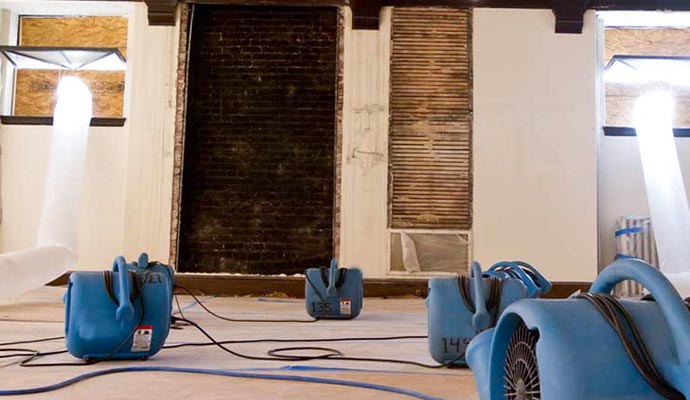
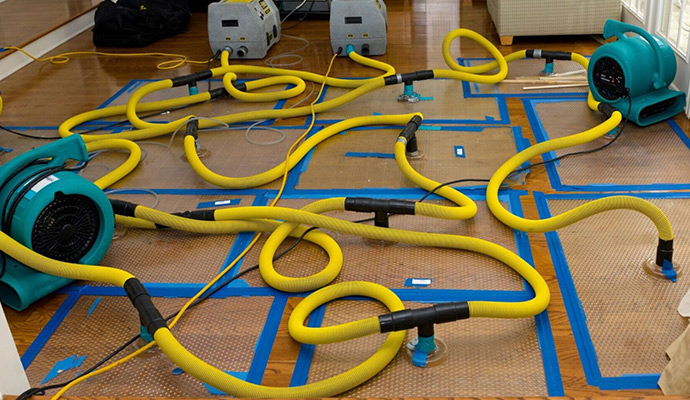
Our IICRC-certified technicians arrive with professional extraction equipment, moisture meters, and thermal imaging to find water where it is hiding, not just where it is visible. We extract standing water, establish containment when needed, place industrial air movers and dehumidifiers, and begin monitoring moisture levels in structural materials from the first visit. Every step is documented for your insurance claim.

Water Damage Restoration
Quality Water Damage Restoration

Restoring Homes and Businesses After Water Loss

Water restoration is not finished when the floors look dry. Moisture trapped inside wall cavities, subfloors, insulation, and framing can support mold growth and structural deterioration for weeks after a water event if it is not properly identified and removed. First Response Restoration monitors drying progress with daily or multi-day moisture readings and adjusts equipment placement until materials reach acceptable dry standards.

We serve homeowners and businesses across Massachusetts, Rhode Island, Boston, Providence, Bridgewater, Plymouth, Cambridge, Worcester, and other New England communities. Our team removes unsalvageable materials when necessary, sanitizes affected areas, cleans and documents impacted contents, and coordinates directly with insurance adjusters to help keep your claim moving. The goal is returning your property to a safe, dry, pre-loss condition with as little disruption to your life or business as possible.

What To Expect

Water Damage Restoration Details

How we limit secondary damage

Water does not stay where it starts. It moves through subfloors, wall cavities, insulation, ceilings, trim, and contents within the first 24–48 hours. Our priority on arrival is to stop the source if accessible, remove standing water, map where moisture has traveled using thermal imaging and moisture meters, and place drying equipment where it can protect structural materials, not just dry the visible surface. Early, correct equipment placement shortens drying time and reduces the amount of demolition needed.
Common water loss sources we handle

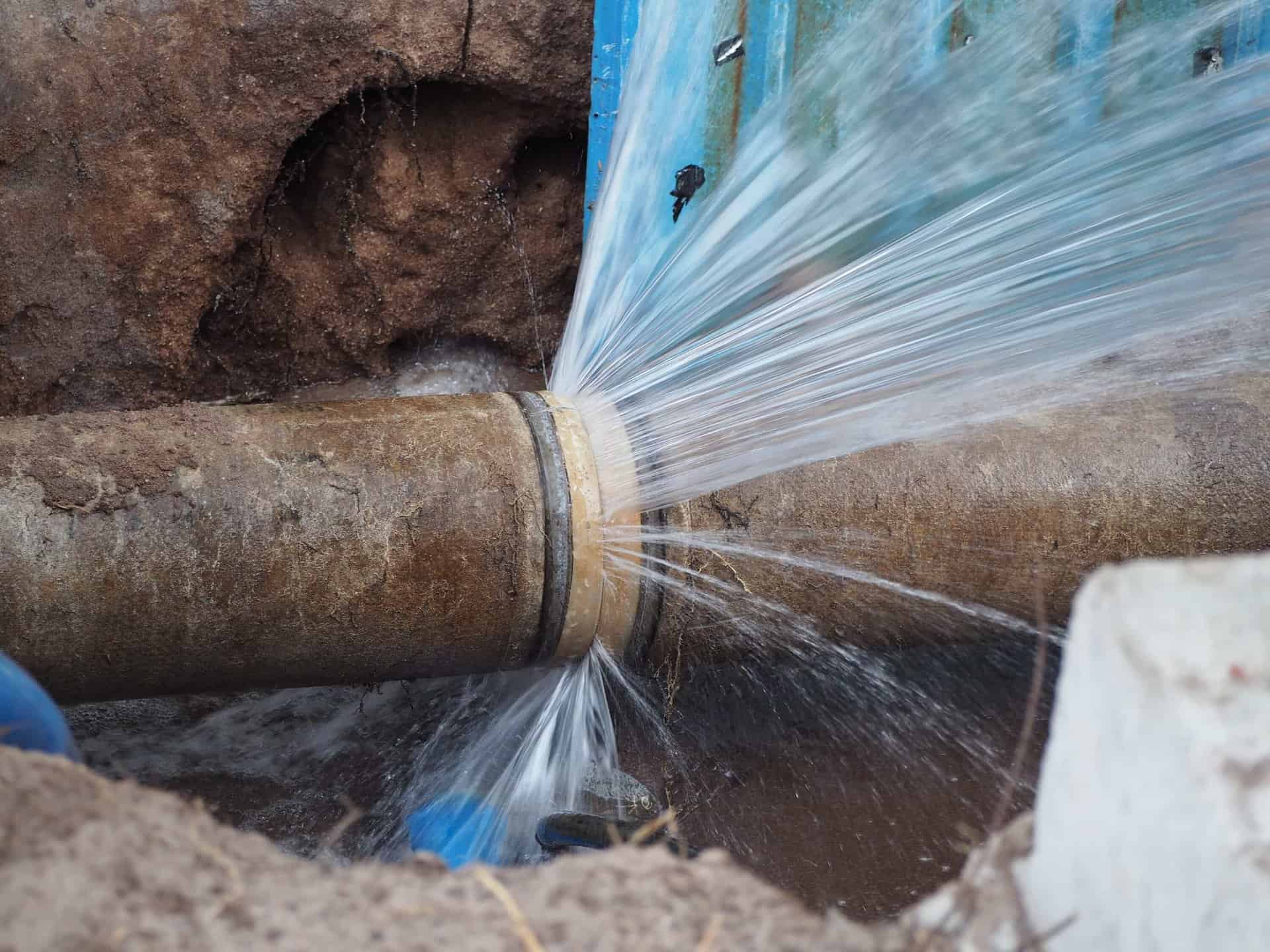
First Response Restoration responds to hot water tank failures, broken or burst pipes, ice dam-driven roof leaks, sink and toilet overflows, flooded basements from storms or sump failures, appliance leaks, plumbing supply line failures, and sewage-related water damage. Each source changes the cleanup plan because the water category, affected materials, contamination risk, and expected drying time all vary. A clean supply line burst is treated differently from a toilet overflow or a flooded basement after a storm.

Why moisture readings matter

A room can look and feel dry while framing, drywall, baseboards, cabinets, hardwood flooring, or subfloor materials still hold elevated moisture. IICRC technicians use calibrated moisture meters and hygrometers to establish wet baselines and track drying progress toward industry-standard dry goals. Those readings determine what can be saved versus what needs removal, confirm when drying is complete, and provide documented evidence for your insurance carrier that the work was performed correctly.

When to call immediately

Call as soon as water is discovered, especially when it has reached drywall, hardwood flooring, finished ceilings, electrical areas, finished basements, commercial spaces, or rooms with valuable contents. Within the first 24 hours, many materials that would require removal if left wet can still be dried in place. After 48–72 hours, microbial growth risk increases significantly and demolition scope typically grows. Fast extraction and drying can reduce total repair costs and shorten the interruption to your home or business.

Our Services

Specialized Water Damage Restoration Solutions

  • Standing water spreads fast, moving into subfloors, wall cavities, insulation, and contents within hours of a loss. First Response Restoration uses truck-mounted and portable extraction equipment to remove visible water quickly, then deploys moisture meters and thermal cameras to locate water that has migrated into structural materials. We place commercial air movers and dehumidifiers to begin structural drying and monitor moisture readings throughout the process to confirm materials are reaching dry standards before we close out.

  • Broken or frozen pipes can release hundreds of gallons before the water supply is shut off, driving water through walls, ceilings, multiple floors, and into finished spaces. Our team responds to assess the full scope, including areas you cannot see, then extracts standing water, removes damaged materials when necessary, disinfects areas exposed to pipe water, and begins structural drying. We document the scope and progress carefully to support your insurance claim.

  • Basements that flood from storm water, sump pump failures, groundwater intrusion, drain backups, or plumbing failures present unique challenges. Concrete floors and block walls hold moisture, and finished basement spaces can hide water behind drywall and under laminate or carpet for days. First Response Restoration removes standing water, evaluates the moisture condition of structural and finished materials, removes affected materials when necessary, treats for microbial risk, and dries the space with professional equipment monitored over multiple days.

  • Roof leaks from storm damage, missing shingles, ice dams, failed flashing, or deteriorated membranes drive water into attic insulation, ceiling joists, drywall, and wall cavities below. The visible ceiling stain is often just the entry point, and water may have traveled further than it appears. We use moisture meters and thermal imaging to map the actual extent of moisture, remove wet insulation and damaged materials when required, and dry structural components thoroughly before repairs begin.

Contact Us

Get In Touch With First Response Restoration

Location 152 Elm Street Unit 3, Bridgewater, MA 02324
house
Working Hours
24-7, 365 Days a Year