
Emergency Restoration Resources
Practical guidance for water damage, sewage backups, smoke damage, mold, fire, and board up emergencies.
Fast guidance for stressful property damage moments.
These quick guides are designed for homeowners and business owners dealing with active damage. When in doubt, call First Response Restoration so a trained team can help you protect the property and reduce additional loss.
-
What to Do First After Water Damage
Stop the source if it is safe, avoid affected electrical areas, move valuables out of wet spaces, and call for extraction and drying before moisture spreads.
-
Why Sewage Backups Need Professional Cleanup
Sewage water can contain contaminants. Professional cleanup focuses on removal, disinfection, contamination control, drying, and safe disposal of damaged materials.
-
How Smoke Damage Spreads
Smoke can move through rooms, ductwork, insulation, and porous contents. Odor returns when residue remains, so soot cleanup and deodorization matter.
-
When Mold Remediation Is Needed
Call when you see mold, smell musty odors, or know building materials stayed wet for more than 24 to 48 hours after a leak or flood.
Emergency decision guides
For urgent, high-stakes property losses, use a structured guide that separates the immediate safety decision from the next restoration step.
Helpful resources from the First Response team
-
 Oct 19, 2026
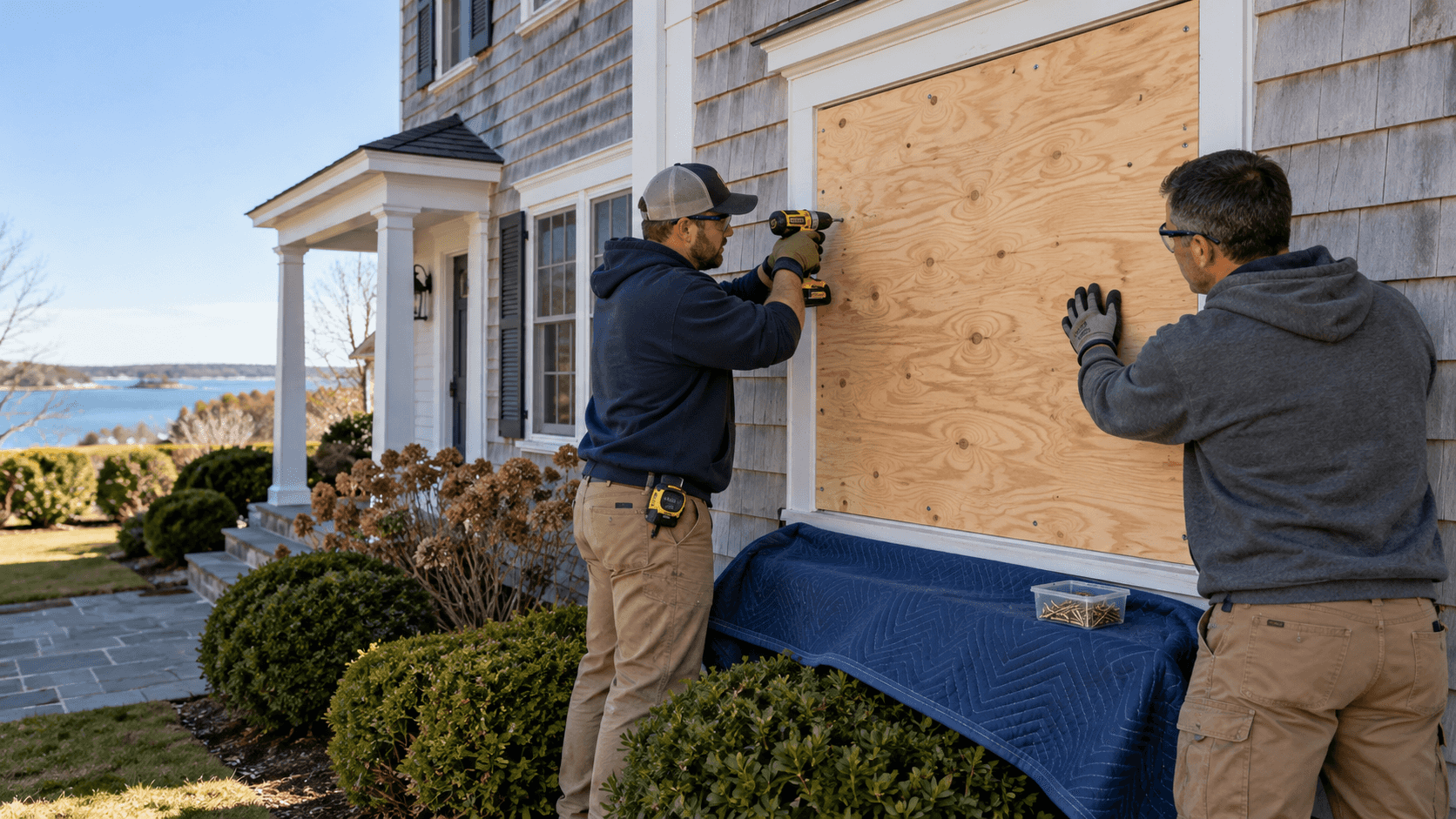
Emergency Board-Up After a Fire or Storm: What to Expect
Learn when emergency board-up is needed after a fire, storm, break-in, or vehicle impact, what the service includes, and how to protect your home and insurance claim.
Read More -
 Oct 15, 2026
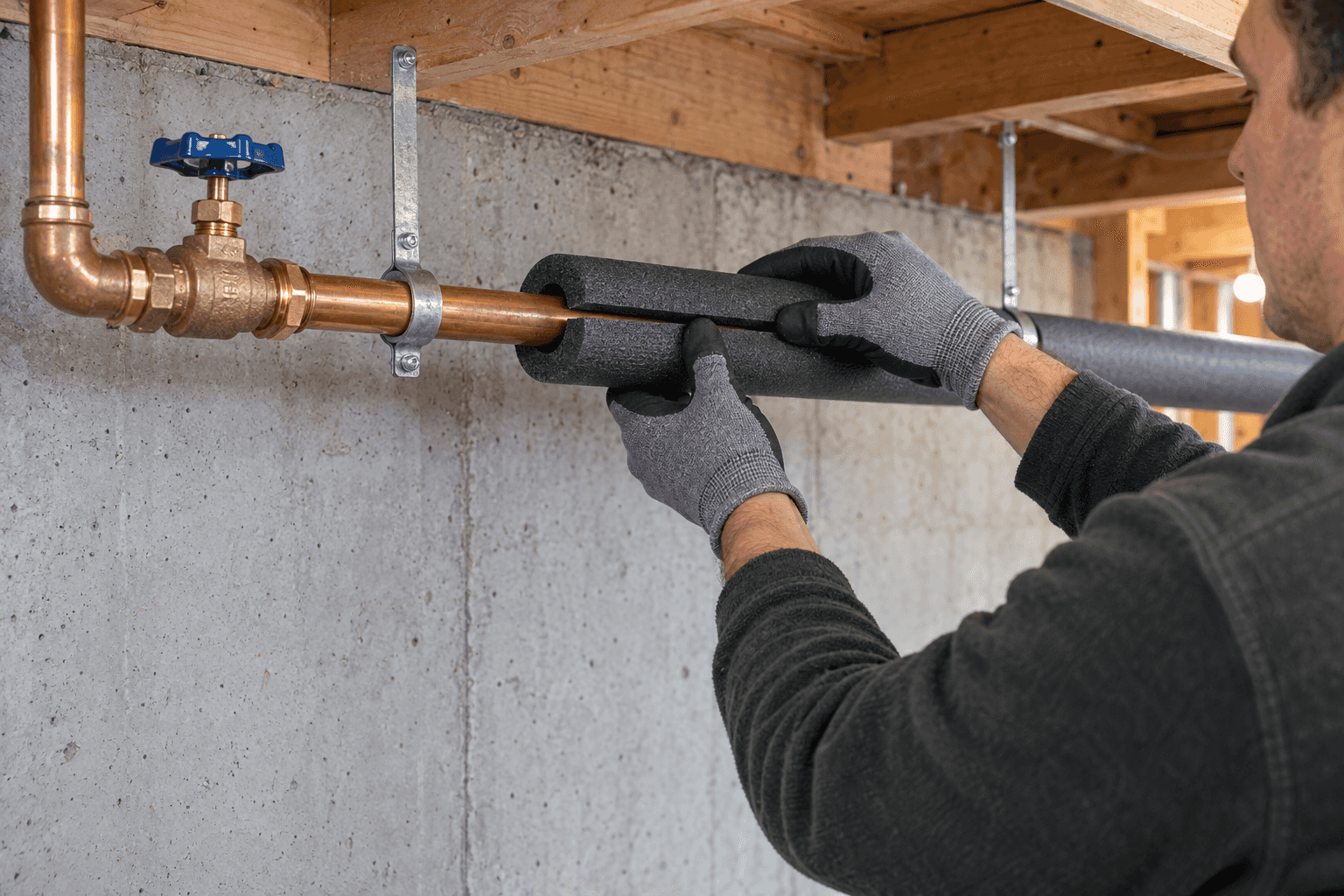
How to Prevent Frozen Pipes in a Massachusetts Home
Use this practical cold-weather checklist to protect vulnerable pipes, prepare before a freeze, recognize warning signs, and respond safely if a pipe freezes or bursts.
Read More -
 Oct 5, 2026
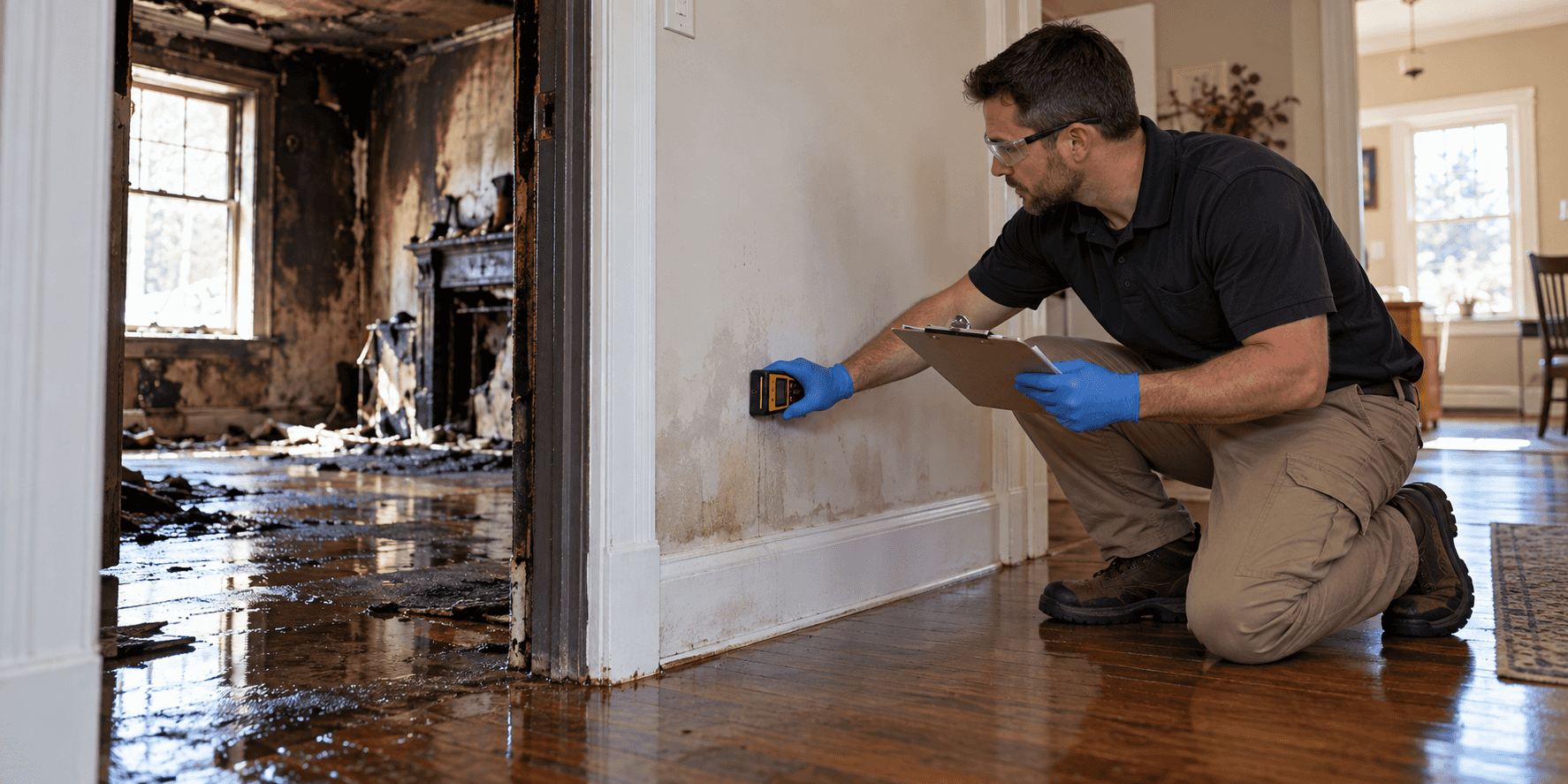
Firefighting Water Damage After a House Fire: What Happens Next
Learn how restoration crews assess, extract, dry, and document water used to fight a house fire, and why moisture work must coordinate with soot and structural cleanup.
Read More -
 Sep 28, 2026
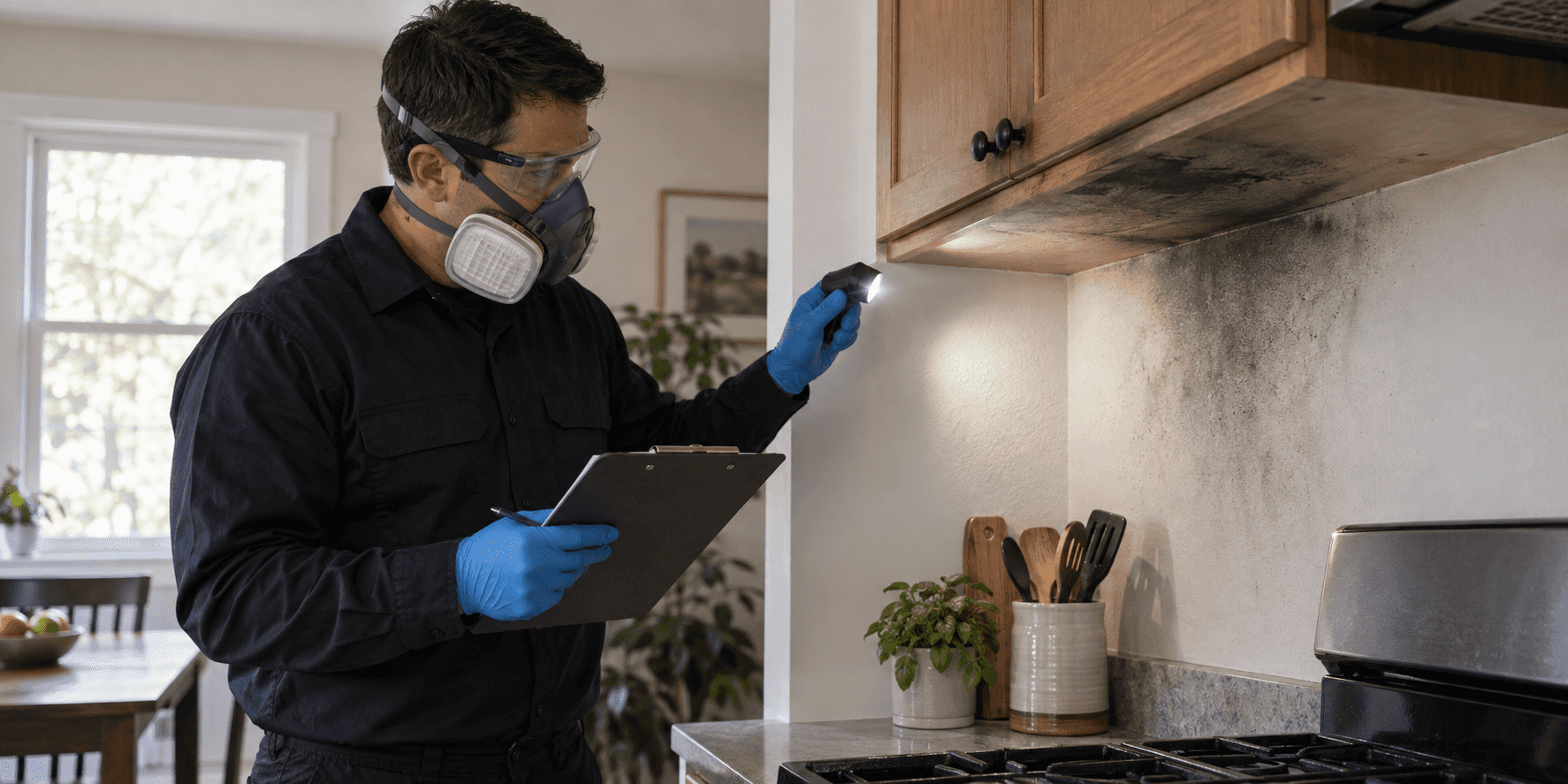
Can You Clean Soot Yourself After a House Fire?
Learn which soot cleanup steps are safe to take, which mistakes can spread smoke residue, and when professional smoke damage restoration is the better next call.
Read More -
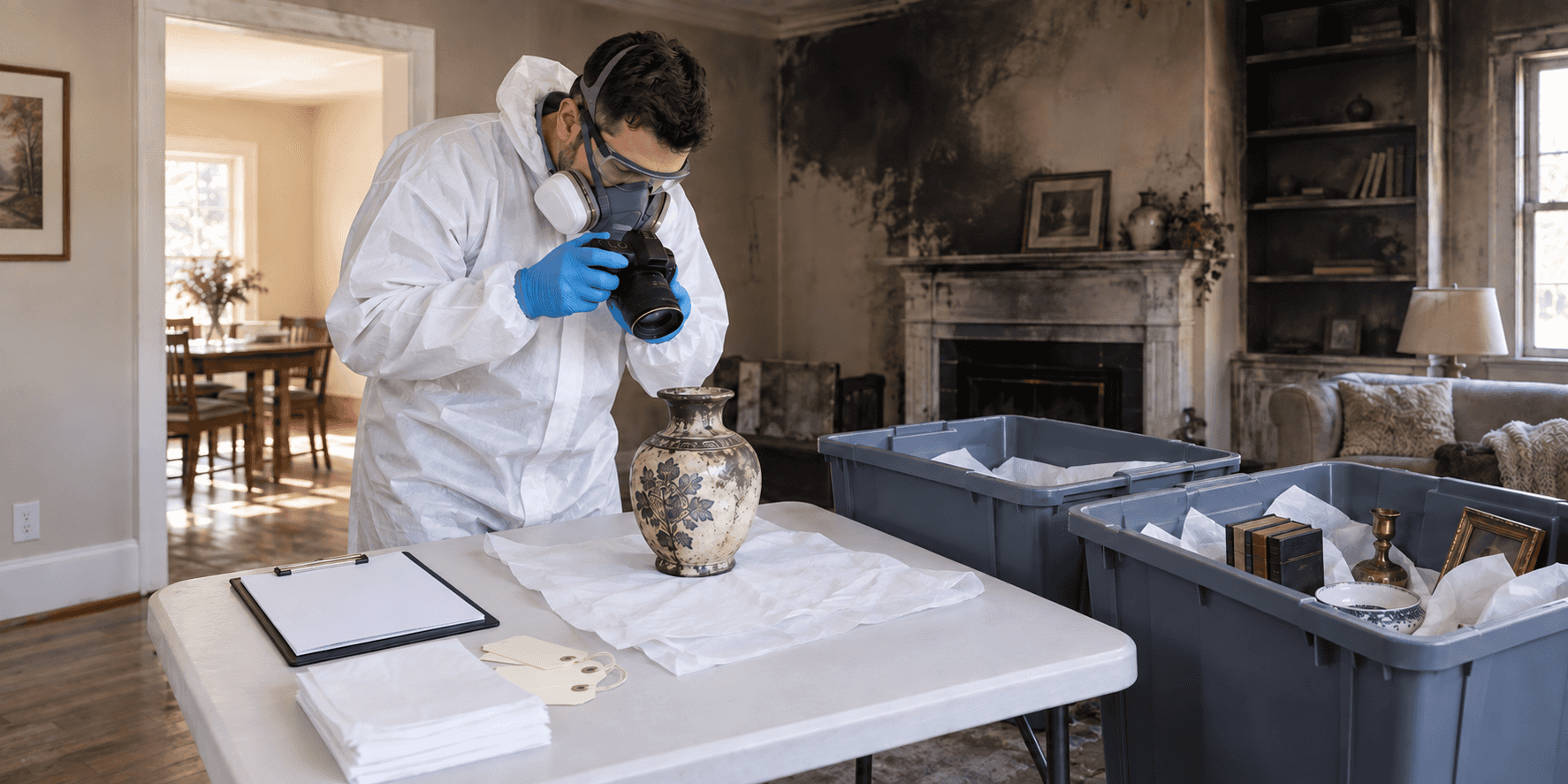 Sep 21, 2026
What Can Be Saved After a House Fire?
Learn how fire-damaged belongings are inventoried, evaluated, packed out, cleaned, or documented for replacement after smoke, soot, heat, and water exposure.
Read More -
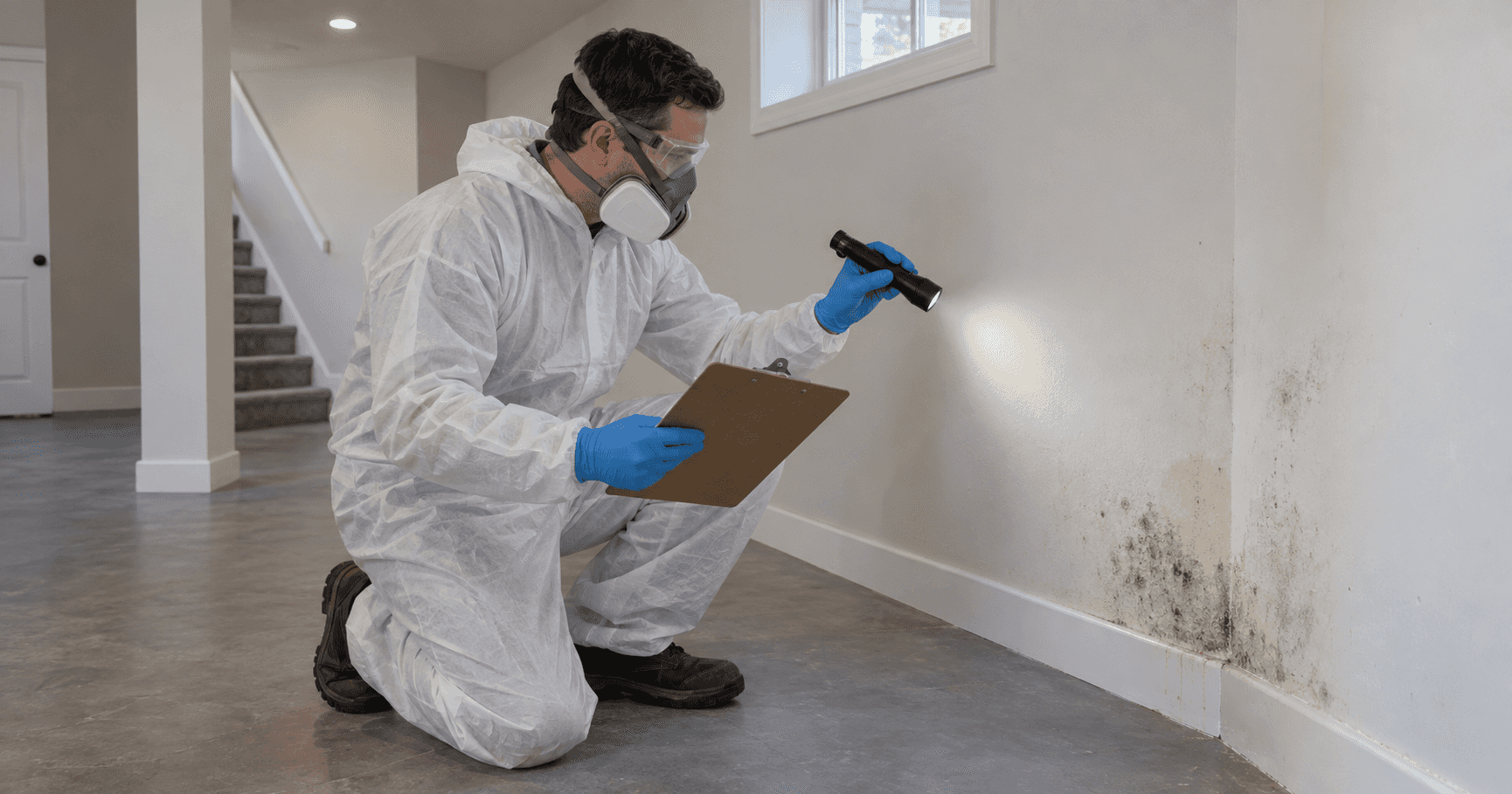 Sep 14, 2026
Mold Testing vs. Inspection vs. Remediation
Mold inspection, testing, and remediation answer different questions. Learn which step fits visible mold, hidden moisture, uncertain conditions, and cleanup.
Read More -
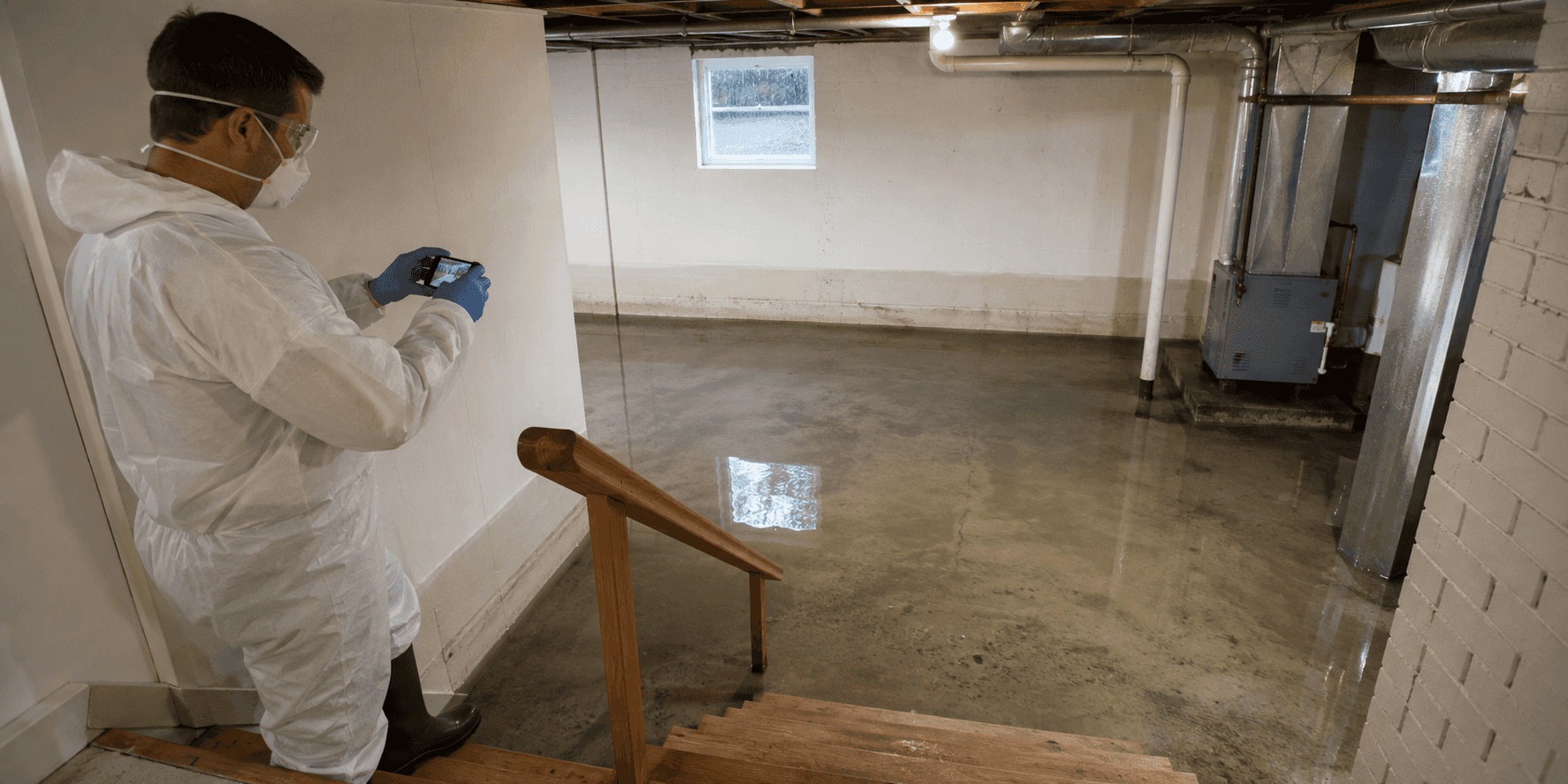 Sep 7, 2026
Flooded Basement After Heavy Rain: A South Shore Cleanup Checklist
A flooded basement after heavy rain can involve electrical, contamination, and hidden-moisture hazards. Follow this South Shore checklist for safe first steps, documentation, cleanup, and drying.
Read More -
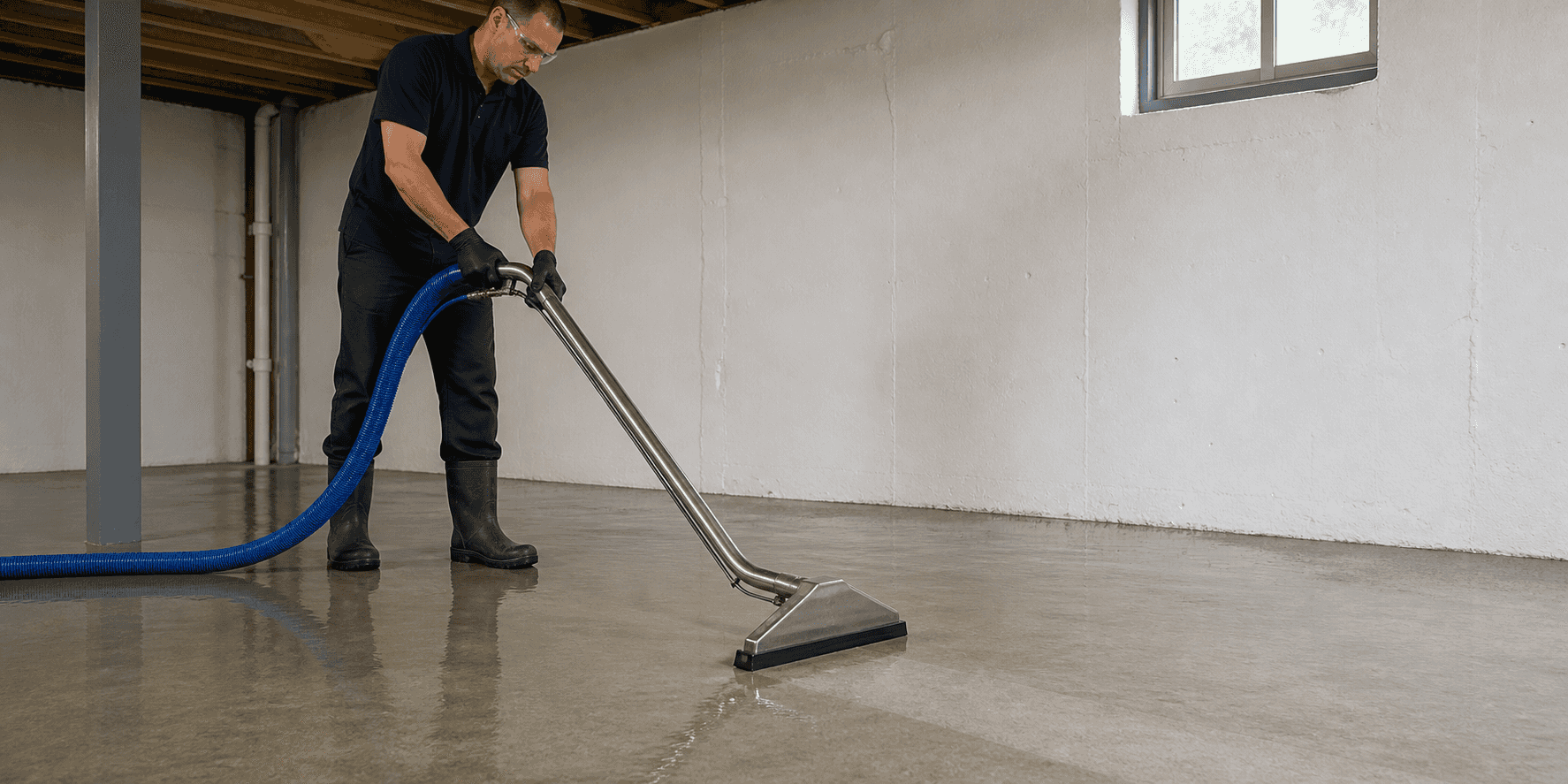 Aug 31, 2026
Water Extraction vs. Water Damage Restoration: What Happens First?
Water extraction removes standing water, but it is only one stage of recovery. Learn how mitigation, structural drying, cleanup, and repairs fit together after water damage.
Read More -
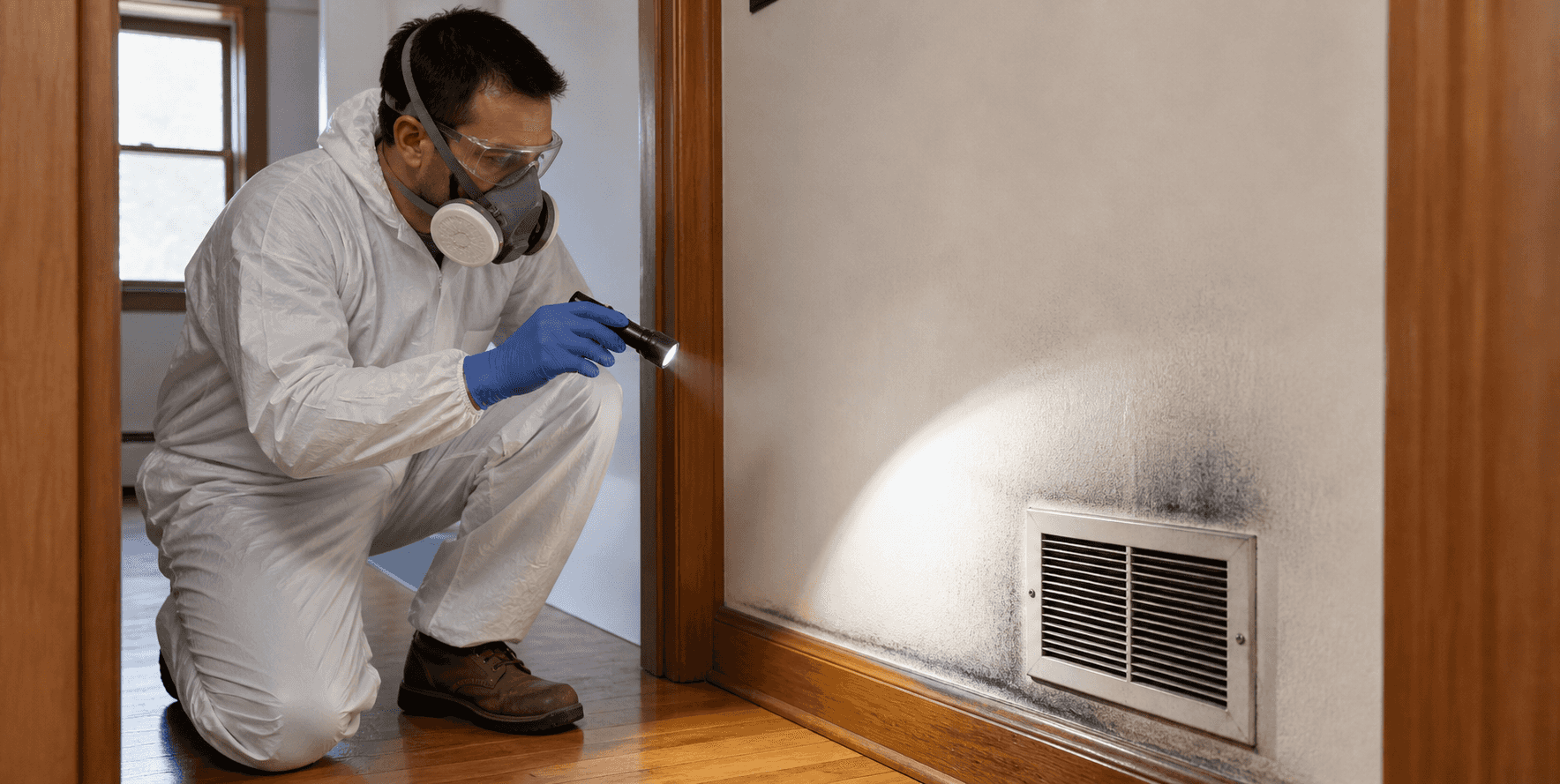 Aug 17, 2026
Furnace Puff-Back Soot Damage: What Massachusetts Homeowners Should Do
A furnace puff-back can spread oily soot through a Massachusetts home. Learn what to do first, what not to clean, and how professional assessment and restoration work.
Read More -
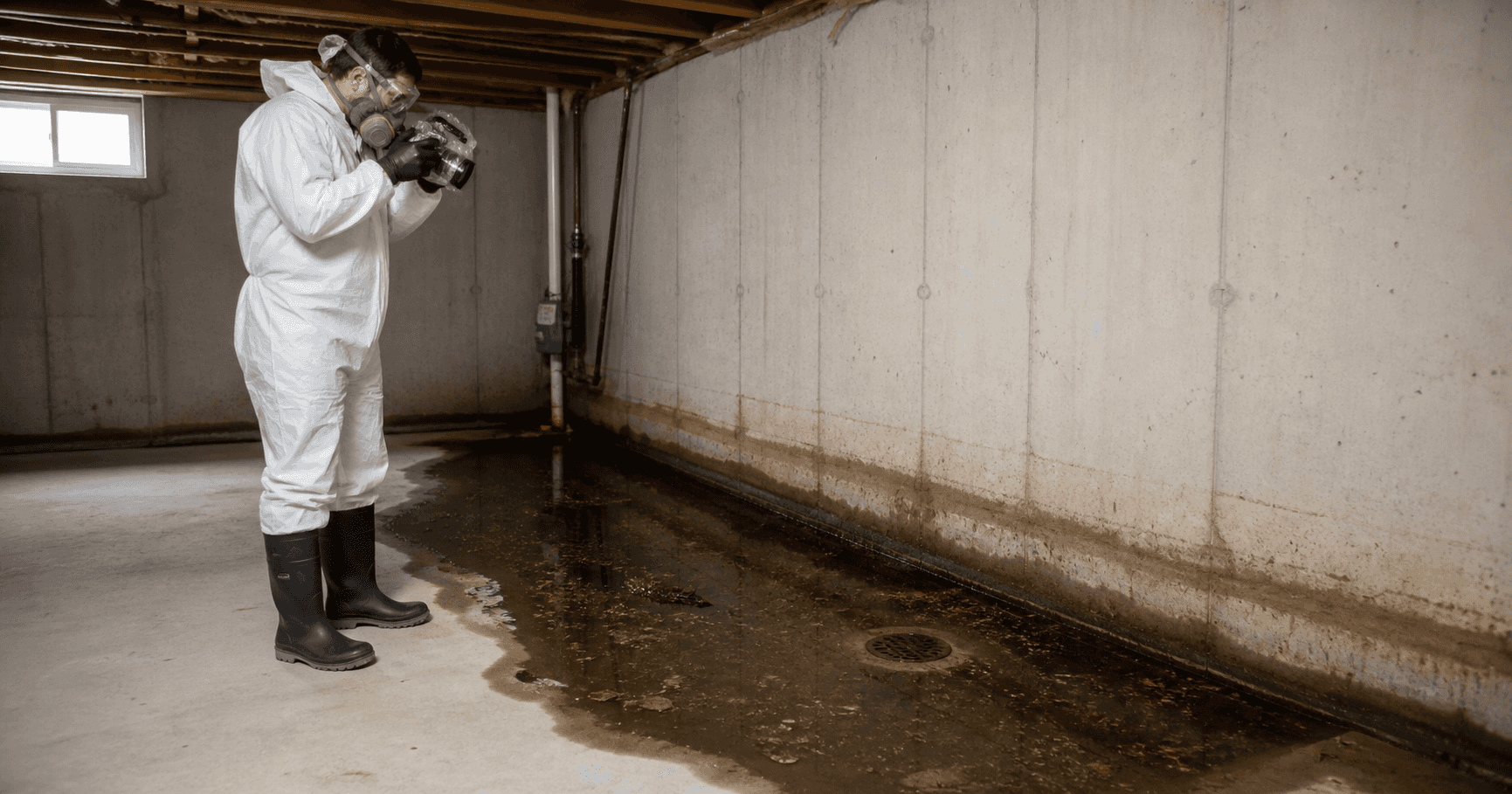 Aug 10, 2026
Does Homeowners Insurance Cover Sewage Backup Cleanup in Massachusetts?
Massachusetts homeowners insurance does not usually cover sewer backup automatically. Learn how endorsements, cause of loss, cleanup documentation, and claim steps affect coverage.
Read More -
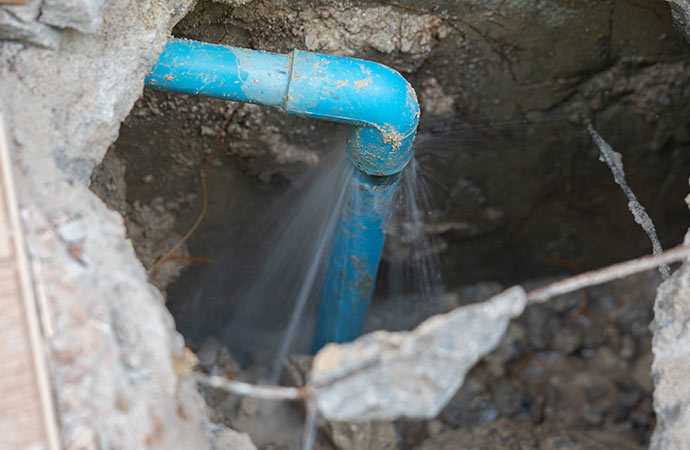 Aug 7, 2026
Water Heater Leak Water Damage: First Steps to Protect Your Home
A leaking water heater can damage floors, walls, and stored contents quickly. Learn the first safe steps, when to call a plumber, and when restoration is needed.
Read More -
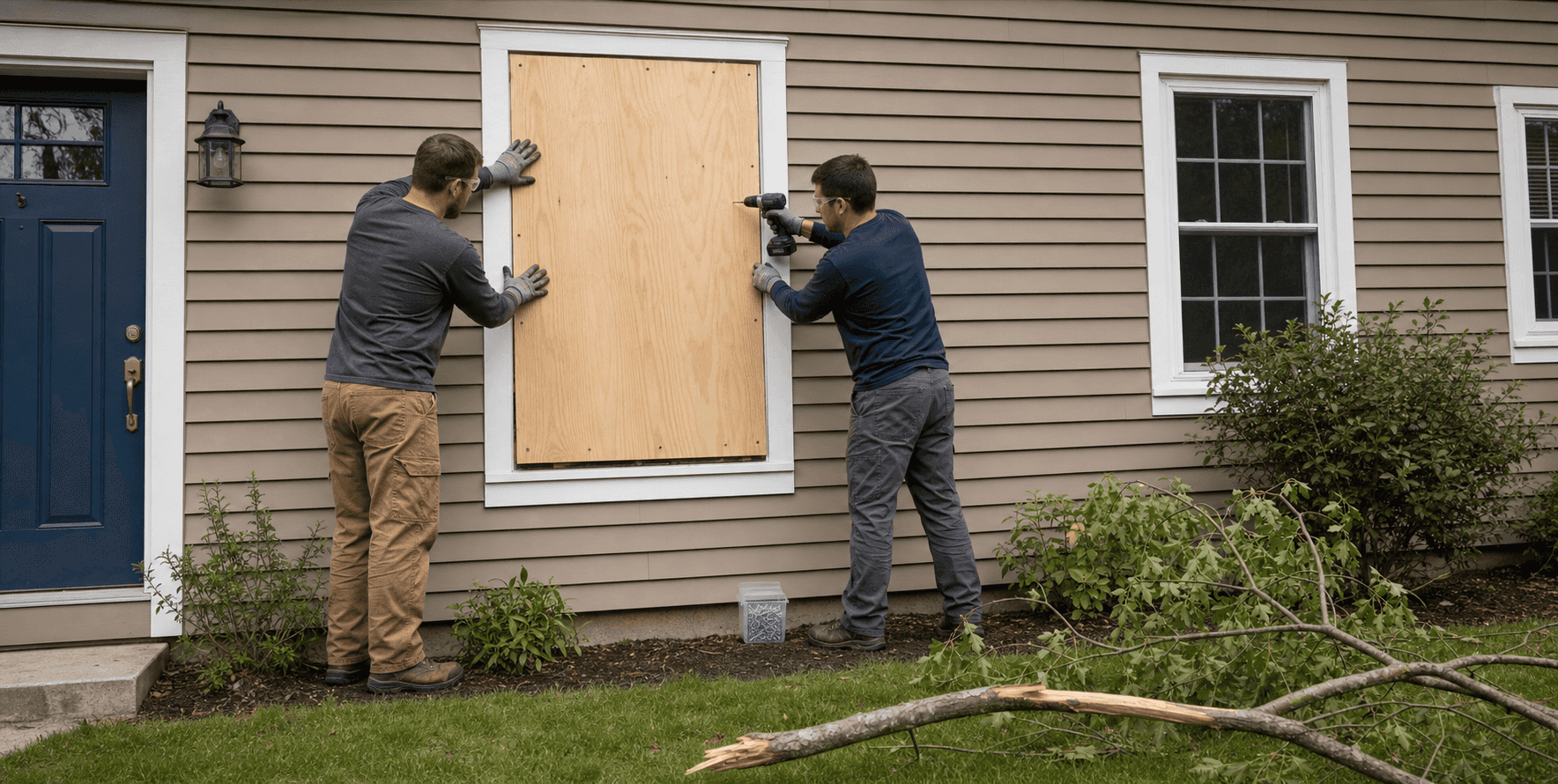 Aug 3, 2026
Emergency Restoration vs. Repairs: Who to Call First After Property Damage
Emergency restoration stabilizes water, fire, smoke, sewage, mold, and storm damage before permanent repairs begin. Learn who to call first and what happens next.
Read More -
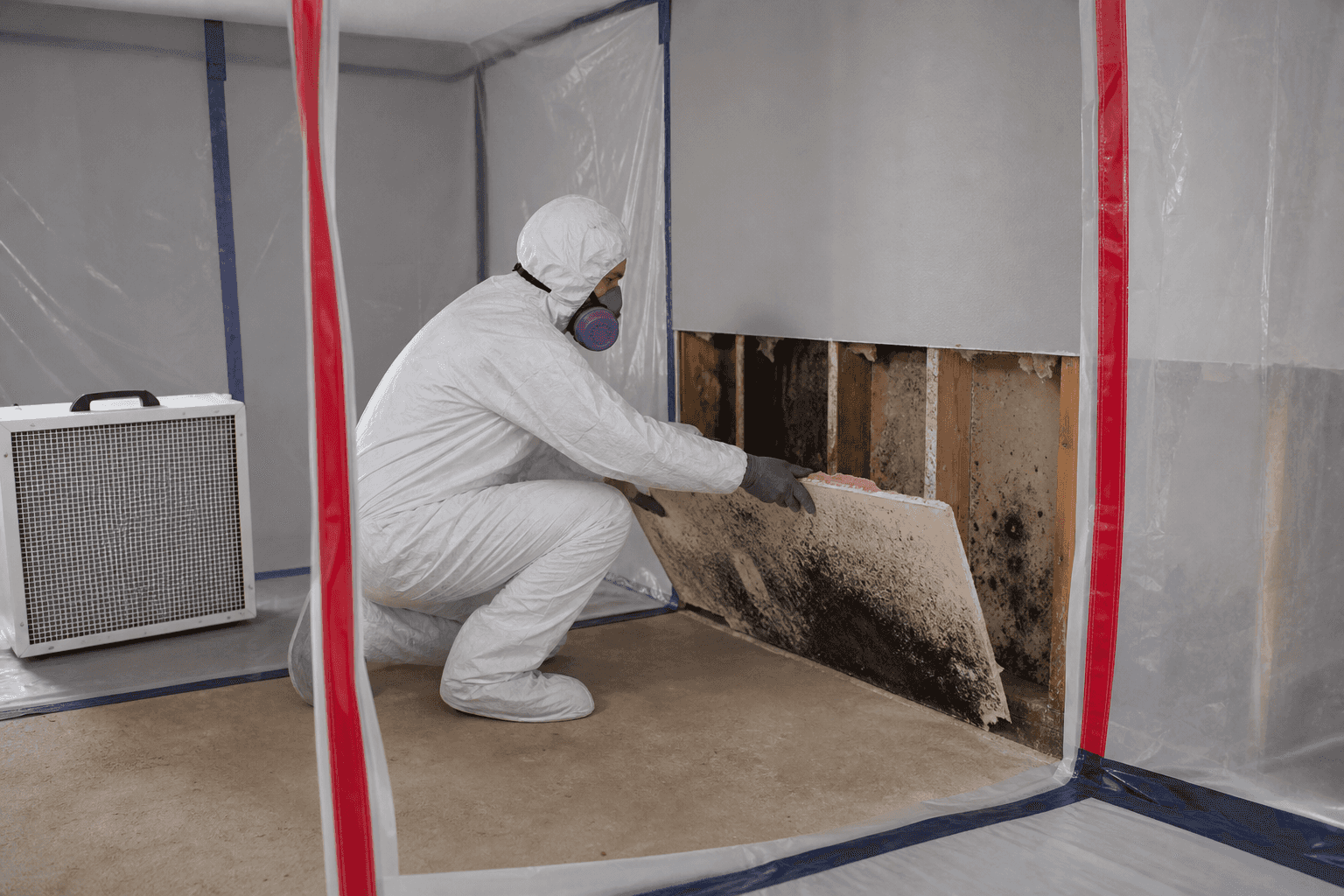 Jul 28, 2026
Mold Remediation: What Homeowners Should Expect After Water Damage
Mold remediation starts with moisture control, containment, selective removal, cleaning, drying, and verification. Learn what the process looks like after a leak or flood.
Read More -
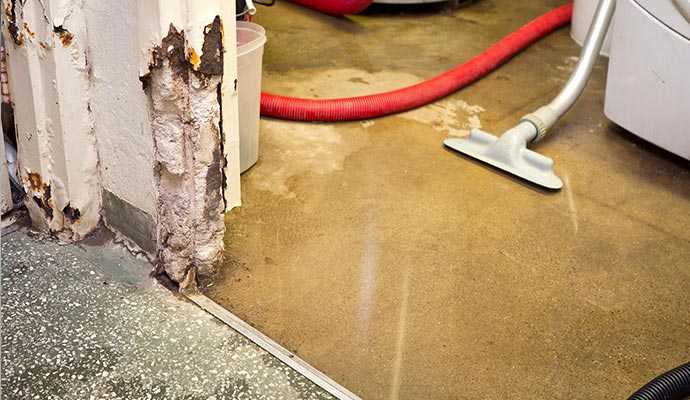 Jul 20, 2026
Water Damage Restoration: What Happens From Extraction to Drying
Water damage restoration starts with safe source control, extraction, moisture mapping, drying, and documentation. Learn what property owners should expect.
Read More -
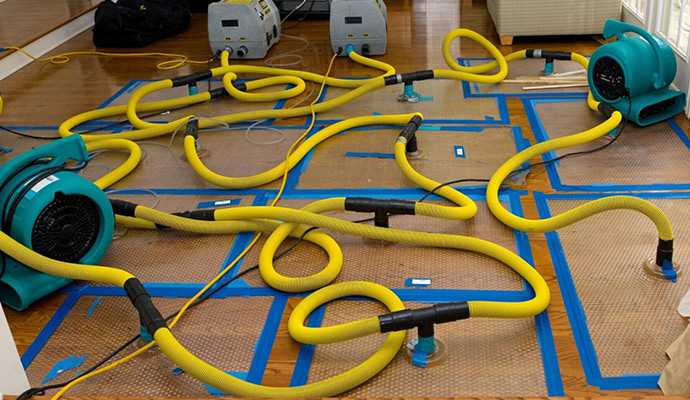 Jul 16, 2026
Emergency Property Damage Checklist: What to Do First
Use this emergency property damage checklist after water, sewage, fire, smoke, mold, or storm damage to protect people, document the loss, and plan professional restoration.
Read More -
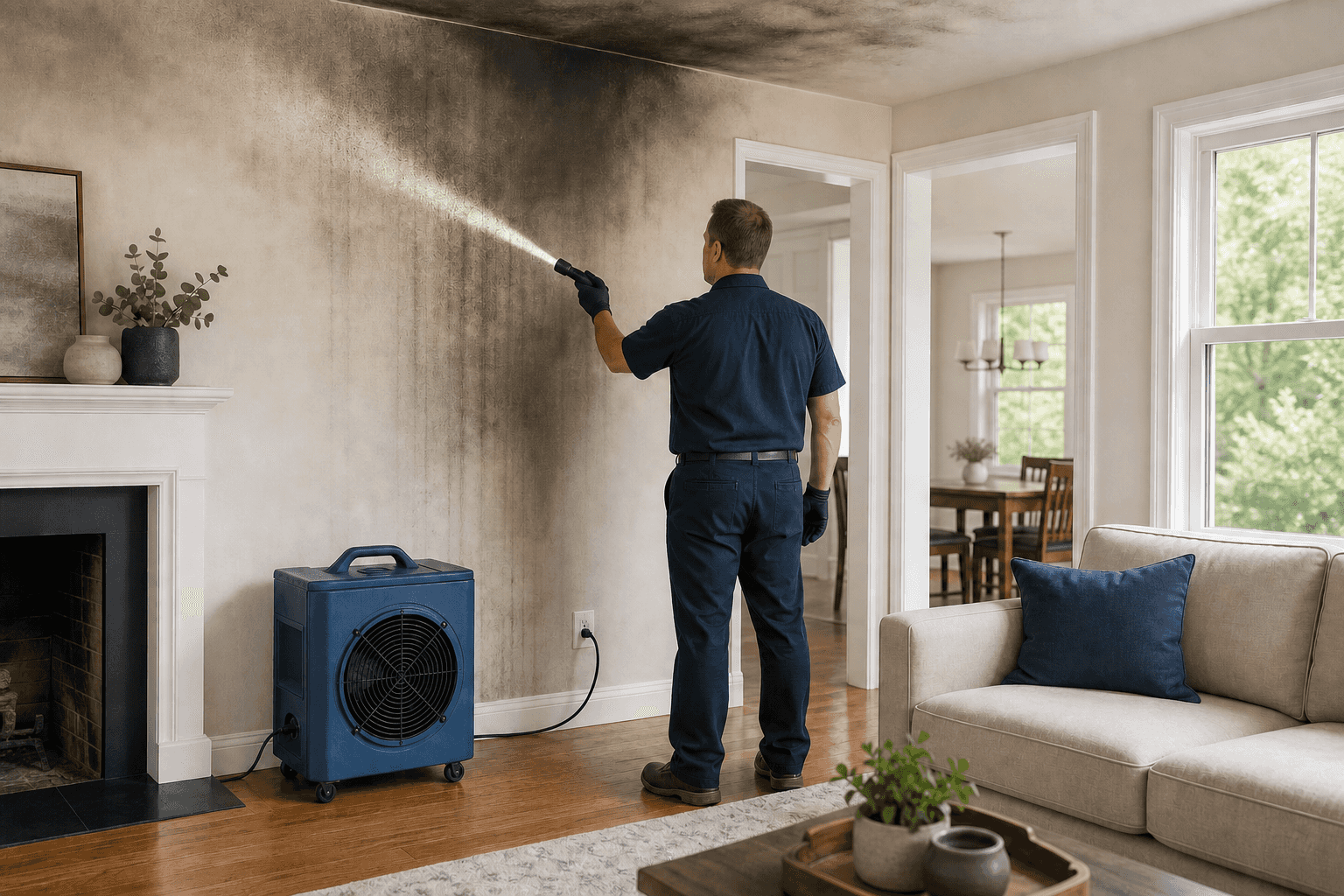 Jul 13, 2026
Fire Damage Restoration: What to Do in the First 24 Hours
After a fire, the first 24 hours set the course for a safer recovery. Learn how to protect your property, document damage, work with insurance, and begin professional fire damage restoration.
Read More -
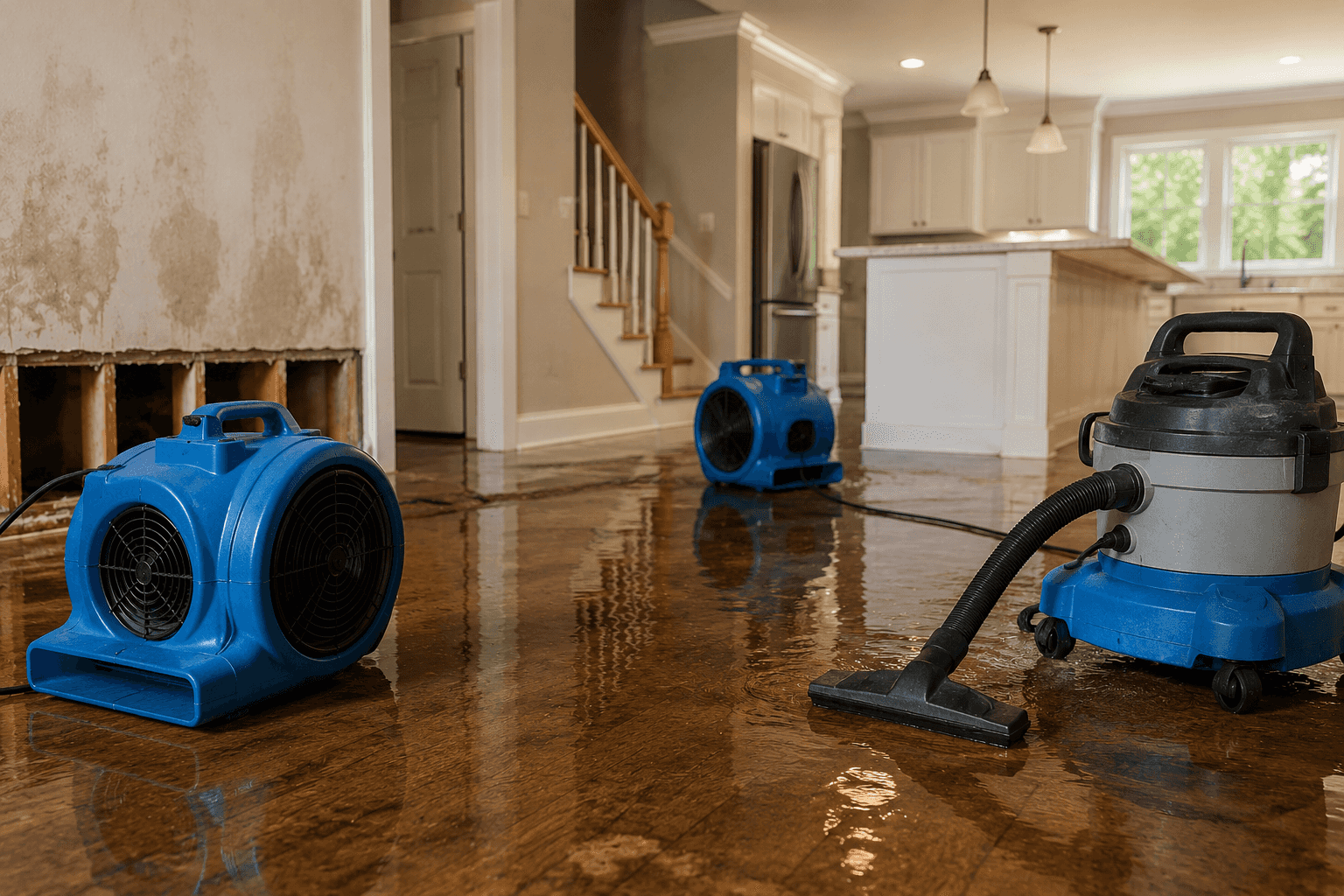 Jun 26, 2026
Water Damage Repair Services Available 24/7 in Bridgewater, MA
When water damage strikes in Bridgewater, learn what to do, how professional extraction and structural drying work, and when to request 24/7 restoration help.
Read More -
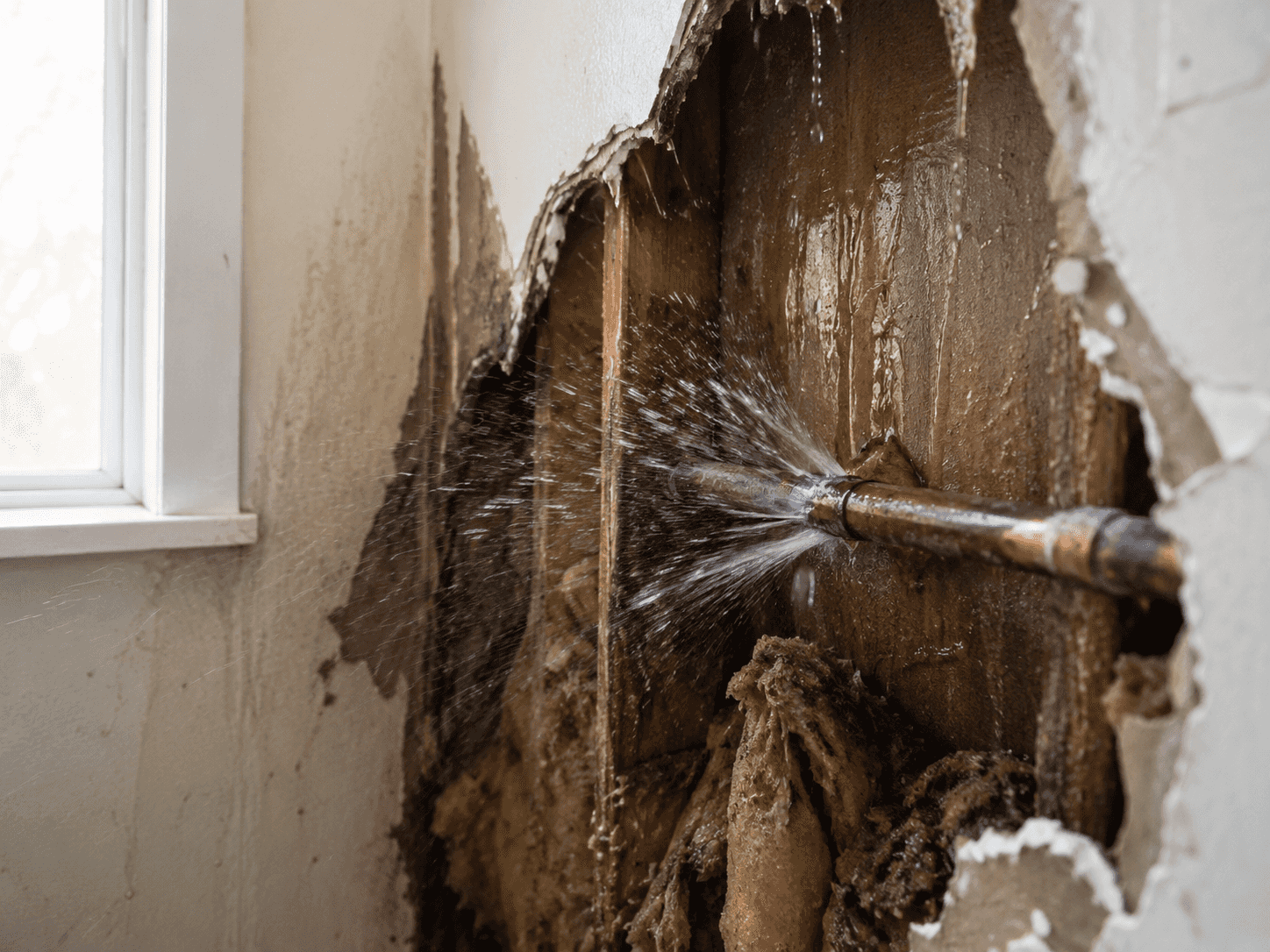 May 29, 2026
What to Do When a Pipe Bursts in a Massachusetts Home
A burst pipe can flood a Massachusetts home in minutes. Learn the immediate steps to take, what to expect from the cleanup process, and how professional water damage restoration helps you recover fast.
Read More -
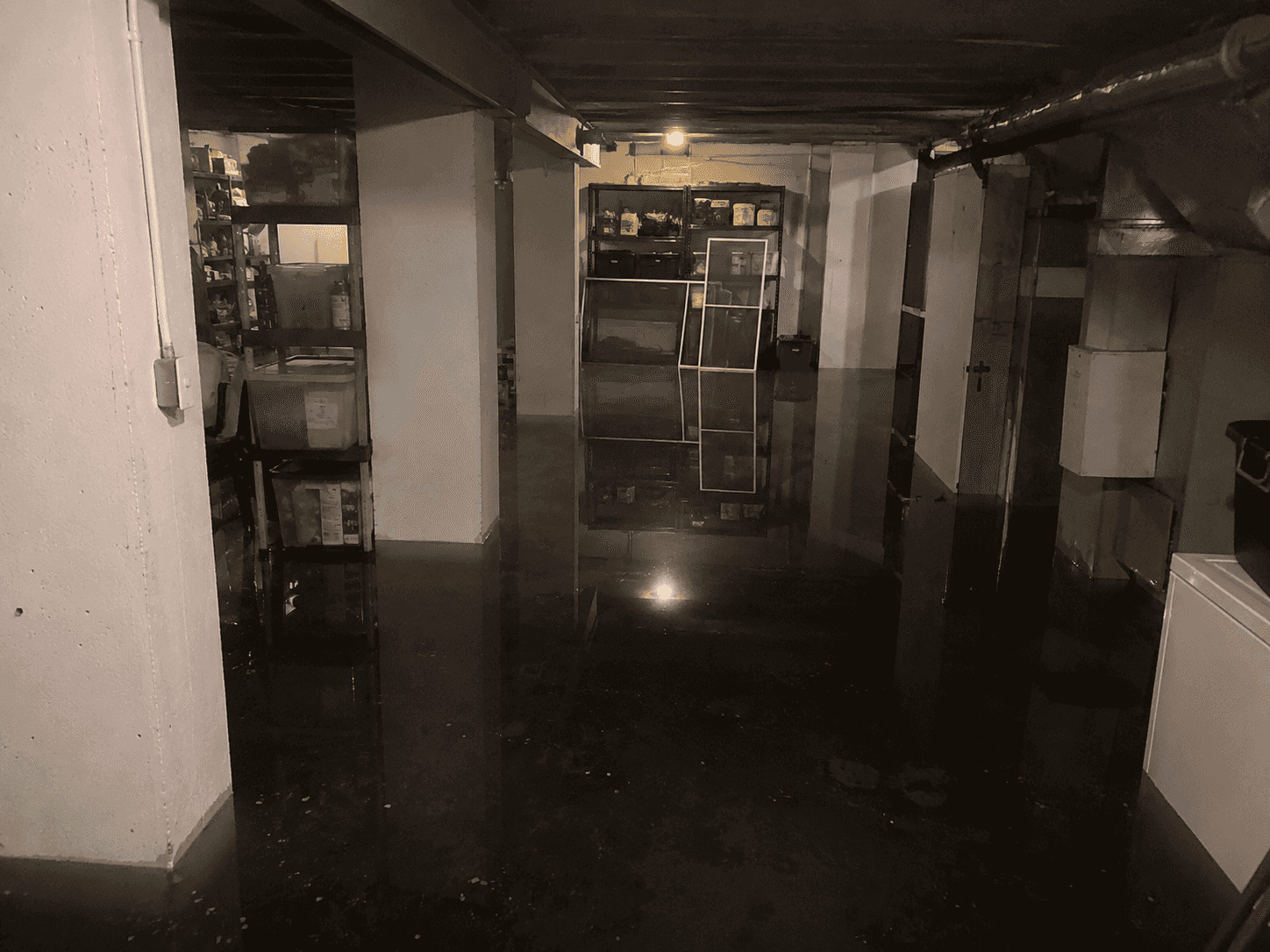 May 29, 2026
Sewage Backup in Your Basement: Why Fast Cleanup Matters
A basement sewage backup is a serious health hazard. Learn why fast professional cleanup matters, what remediation involves, and how to protect your property.
Read More -
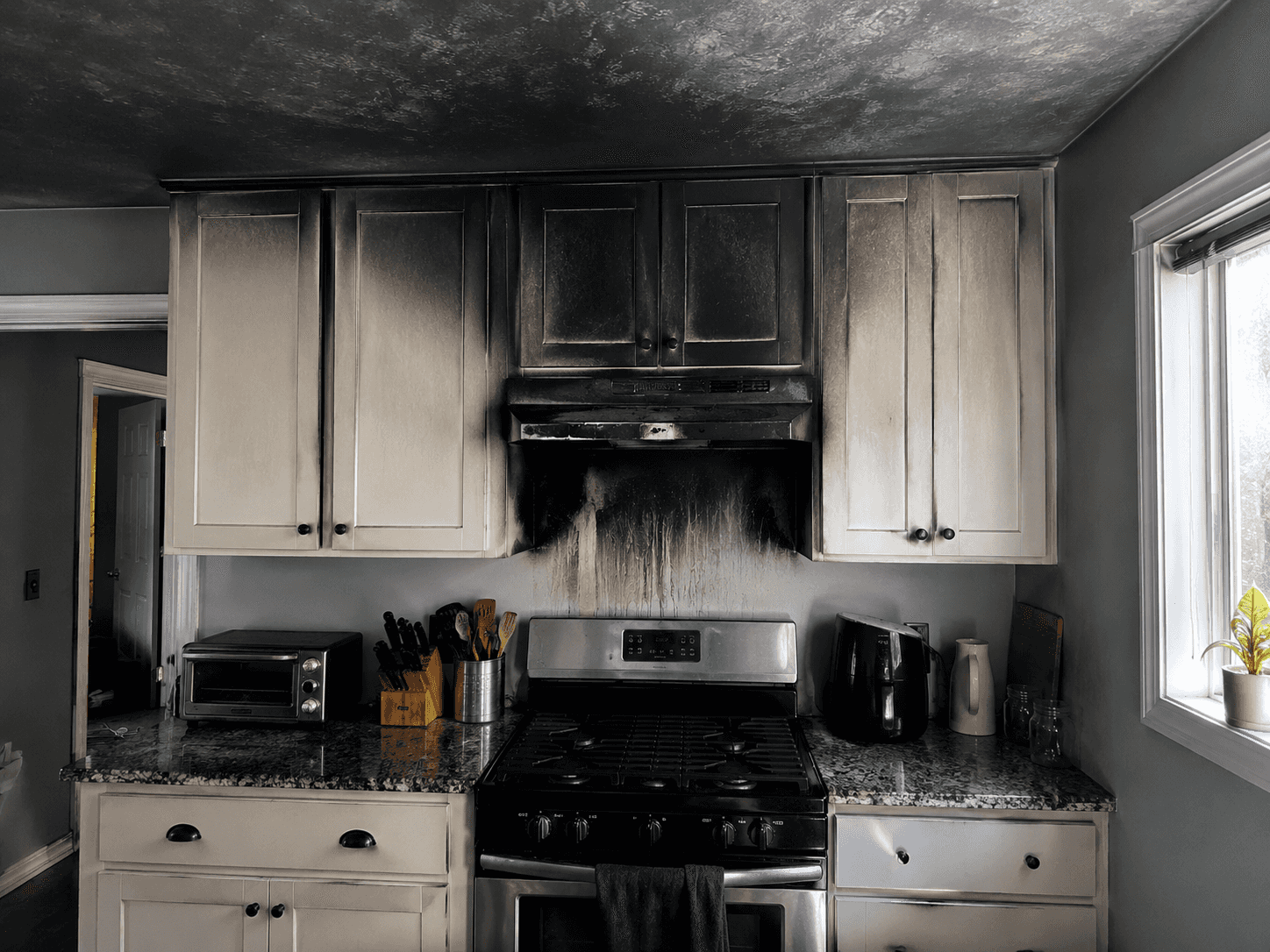 May 29, 2026
Smoke Odor After a Small Fire: Why It Keeps Coming Back
Even a small kitchen fire can leave smoke odor that lingers for weeks. Learn why smoke smell keeps returning, what professional smoke odor removal involves, and when to call a restoration company.
Read More -
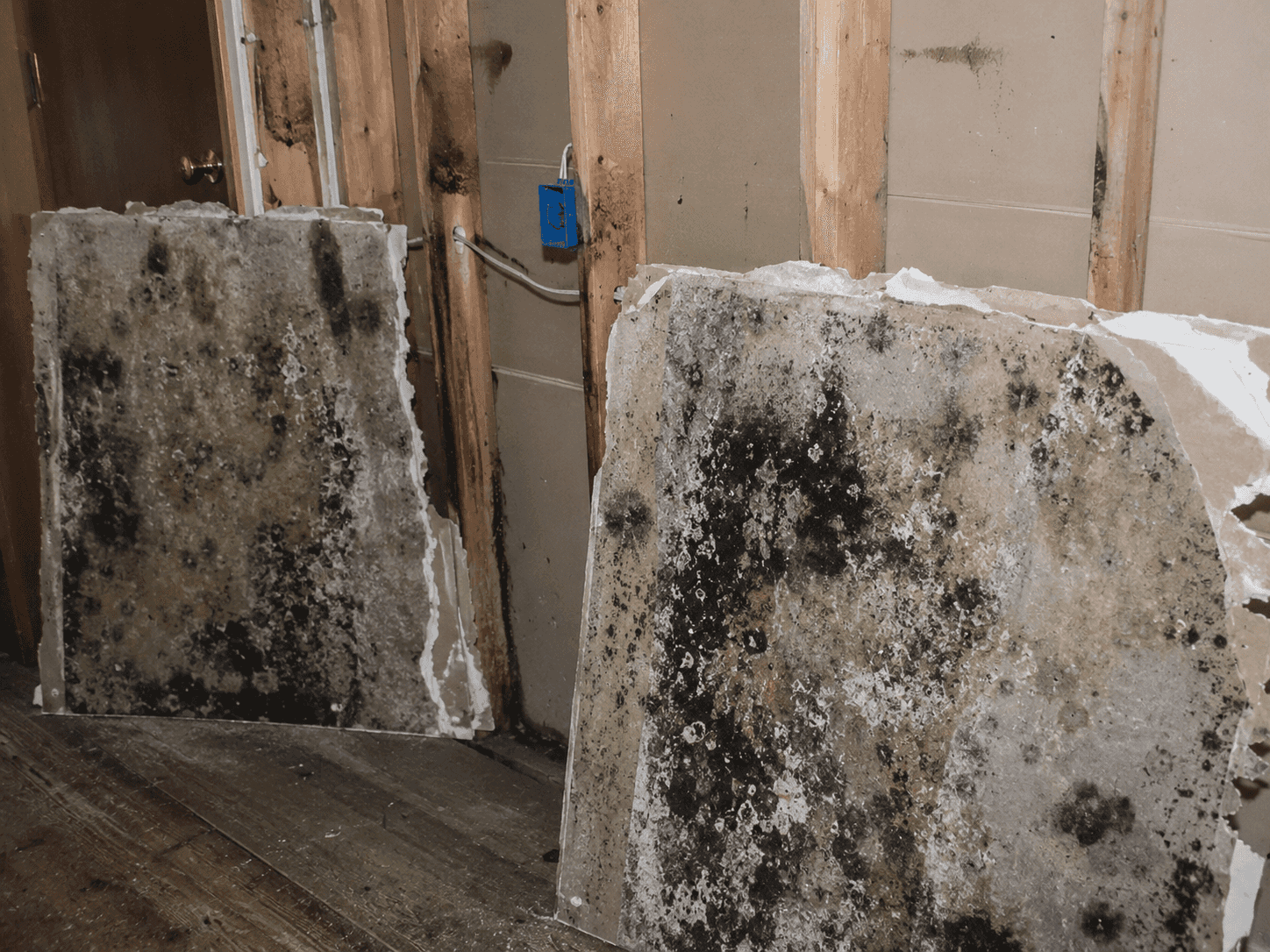 May 29, 2026
Mold After a Roof Leak: Signs It Has Spread Behind Walls
A roof leak that goes unnoticed for days or weeks can lead to hidden mold growth inside walls and ceilings. Learn how to spot the signs, why mold spreads, and what professional mold remediation involves.
Read More

Questions About Property Damage Guidance
Protect people first and avoid electrical, structural, fire, smoke, sewage, or contamination hazards. Stop the source only when it is safe, then call for professional help. Photograph visible conditions without entering unsafe areas and avoid discarding damaged materials until the restoration team or insurer explains what documentation may be needed.
No. The resource articles provide general education, but every property loss has different materials, contamination risks, moisture paths, structural conditions, and insurance requirements. A professional assessment uses site observations and specialized equipment to determine what can be cleaned or dried, what requires removal, and how the affected area should be stabilized.
Call promptly when water is spreading, sewage is present, smoke or soot affects occupied areas, mold is visible or suspected, fire has damaged materials, or windows, doors, and roof openings leave the building exposed. Early stabilization can limit secondary damage and create a clearer record for insurance communication.
Request a free restoration estimate
For an active emergency, call (774) 670-5912 to reach our 24/7 dispatchers. For other inquiries, tell us where the property is and what happened so our team can follow up.