All Services Restoration Services

Water Damage Restoration

24/7 response for burst pipes, flooded basements, roof leaks, overflows, appliance leaks, and storm-related water damage.

Water Damage Restoration
Fast Water Extraction, Drying, and Damage Control

What Is Water Damage Restoration?

When water damage hits, speed changes everything. The longer water stays in contact with drywall, framing, flooring, insulation, and contents, the more structural damage can accumulate and the greater the risk of secondary mold growth. First Response Restoration responds 24/7 to burst pipes, hot water tank failures, damaged roofs, plumbing leaks, sink and toilet overflows, flooded basements, storm flooding, and sewage-related water damage.

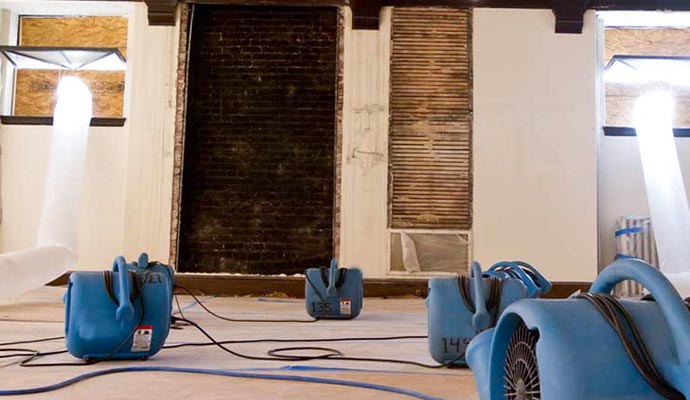
Our IICRC technicians arrive with professional extraction and moisture-detection equipment to find and monitor water beyond the visibly wet area. We extract standing water, establish containment when needed, place professional air movers and dehumidifiers, and track moisture levels in structural materials. The team documents affected areas and completed work to support the property owner and insurance adjuster.

Water Damage Restoration
Quality Water Damage Restoration

Restoring Homes and Businesses After Water Loss

Water restoration is not finished when the floors look dry. Moisture trapped inside wall cavities, subfloors, insulation, and framing can support mold growth and material deterioration if it is not identified and addressed. First Response Restoration monitors drying progress and adjusts equipment placement until targeted materials reach appropriate dry conditions.

We serve homeowners and businesses across Massachusetts, Rhode Island, Boston, Providence, Bridgewater, Plymouth, Cambridge, Worcester, and other New England communities. Our team removes unsalvageable materials when necessary, cleans and disinfects affected areas as conditions require, documents impacted contents, and coordinates with insurance adjusters. The goal is to help move the property toward a clean, dry, pre-loss condition with as little disruption as possible.

What To Expect

Water Damage Restoration Details

How we limit secondary damage

Water can move through subfloors, wall cavities, insulation, ceilings, trim, and contents beyond the visibly wet area. Our priority on arrival is to stop the source if accessible, remove standing water, evaluate where moisture has traveled with specialized detection equipment, and place drying equipment according to affected materials and site conditions.

Common water loss sources we handle

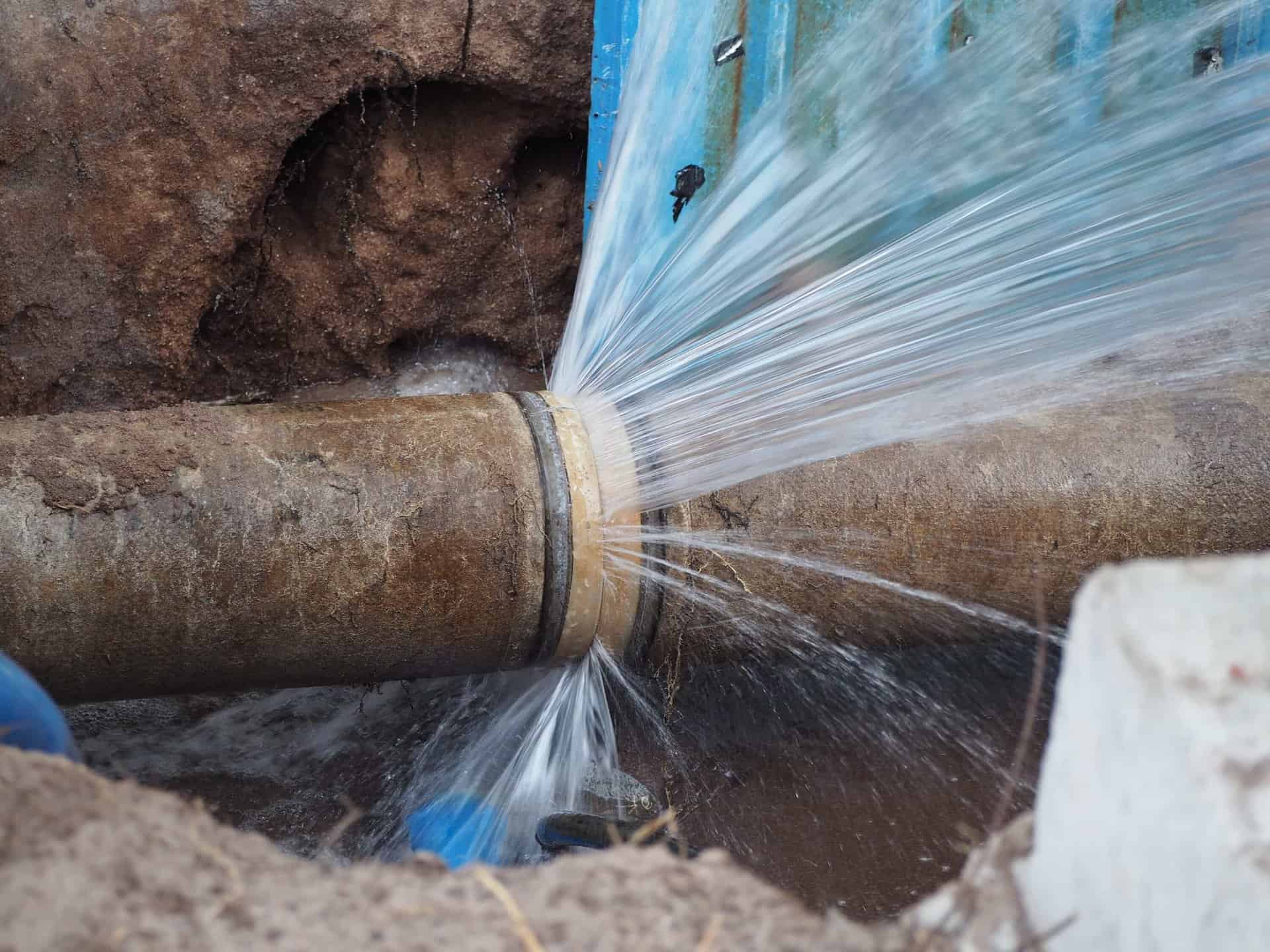
First Response Restoration responds to hot water tank failures, broken or burst pipes, ice dam-driven roof leaks, sink and toilet overflows, flooded basements from storms or sump failures, appliance leaks, plumbing supply line failures, and sewage-related water damage. Each source changes the cleanup plan because the water category, affected materials, contamination risk, and expected drying time all vary. A clean supply line burst is treated differently from a toilet overflow or a flooded basement after a storm.

Why moisture readings matter

A room can look and feel dry while framing, drywall, baseboards, cabinets, hardwood flooring, or subfloor materials still hold elevated moisture. IICRC technicians use moisture and humidity readings to establish wet baselines, track drying progress, and help determine which materials may be dried or require removal. Those records also support communication with the property owner and insurance adjuster.
When to call immediately

Call as soon as water is discovered, especially when it has reached drywall, hardwood flooring, finished ceilings, electrical areas, finished basements, commercial spaces, or rooms with valuable contents. Prompt extraction and drying give technicians a better opportunity to evaluate materials before prolonged moisture causes additional damage. Safety, contamination, material type, saturation, and the time wet all affect what can be dried versus removed.

Our Services

Specialized Water Damage Restoration Solutions

  • Standing water can move into subfloors, wall cavities, insulation, and contents beyond the visibly wet area. First Response Restoration uses professional extraction equipment to remove accessible water, then uses specialized moisture-detection equipment to evaluate affected structural materials. We place professional air movers and dehumidifiers and monitor readings to guide the drying process.

  • Broken or frozen pipes can release hundreds of gallons before the water supply is shut off, driving water through walls, ceilings, multiple floors, and into finished spaces. Our team responds to assess the full scope, including areas you cannot see, then extracts standing water, removes damaged materials when necessary, disinfects areas exposed to pipe water, and begins structural drying. We document the scope and progress carefully to support your insurance claim.

  • Basements that flood from storm water, sump pump failures, groundwater intrusion, drain backups, or plumbing failures present unique challenges. Concrete floors and block walls hold moisture, and finished basement spaces can hide water behind drywall and under laminate or carpet for days. First Response Restoration removes standing water, evaluates the moisture condition of structural and finished materials, removes affected materials when necessary, treats for microbial risk, and dries the space with professional equipment monitored over multiple days.

  • Roof leaks from storm damage, missing shingles, ice dams, failed flashing, or deteriorated membranes can drive water into attic insulation, ceiling joists, drywall, and wall cavities below. A visible ceiling stain may not show the full affected area. We use specialized moisture-detection equipment to evaluate conditions, remove damaged materials when required, and monitor structural drying before repairs begin.

Restoration Process

How Does Professional Water Damage Restoration Work?

Professional water restoration controls the source, removes water, finds hidden moisture, and documents drying until affected materials reach appropriate dry conditions.

  1. Assess the source and affected area

    Technicians identify the water source when possible, check immediate hazards, document visible conditions, and map moisture beyond the visibly wet area.

  2. Extract standing water

    Portable or truck-mounted extraction equipment removes accessible water from floors, cavities, and other affected areas before structural drying begins.

  3. Dry and monitor structural materials

    Air movers, dehumidifiers, moisture meters, and humidity readings guide equipment placement and confirm drying progress over time.

  4. Clean and prepare for restoration

    Affected areas are cleaned, sanitized, deodorized, or repaired as conditions require, and documentation is organized for the property owner and insurer.

Common Questions

Water Damage Restoration FAQ

  • If it is safe, stop the water source and avoid electrical hazards or contaminated water. Move people and pets away from affected areas, then call for professional assessment. Take photos without delaying emergency work, and notify your insurer promptly if you expect to file a claim.

  • Drying time depends on the water source, affected materials, saturation, temperature, humidity, and how quickly extraction begins. Technicians monitor moisture rather than relying on a fixed timeline. Equipment remains until readings show that targeted structural materials have reached appropriate dry conditions or require removal.

  • Coverage depends on the cause of loss, policy language, exclusions, and endorsements. Sudden plumbing failures may be treated differently from groundwater, flooding, or long-term leakage. First Response Restoration documents affected areas, moisture readings, materials, and completed work, while the insurance carrier makes the coverage decision.

Contact Us

Get In Touch With First Response Restoration

Location 152 Elm Street Unit 3, Bridgewater, MA 02324
house
Working Hours
Available 24/7, 365 Days a Year