
All Services Restoration Services

Mold Remediation

Mold remediation, mold testing, black mold cleanup, HVAC mold support, and structural mold remediation.

Mold Remediation
Mold Remediation That Addresses Moisture and Spread

What Is Mold Remediation?

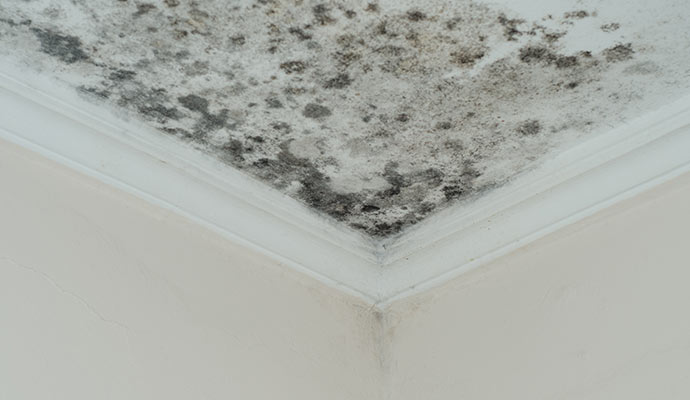
Mold does not appear on its own. It follows moisture. A roof leak that saturated attic insulation months ago, a slow plumbing leak behind a wall that went undetected, a basement that flooded and was never fully dried, or a bathroom with chronic condensation problems can all generate mold growth that spreads silently before it becomes visible. By the time mold appears on a surface, it has often been growing in hidden spaces for much longer.

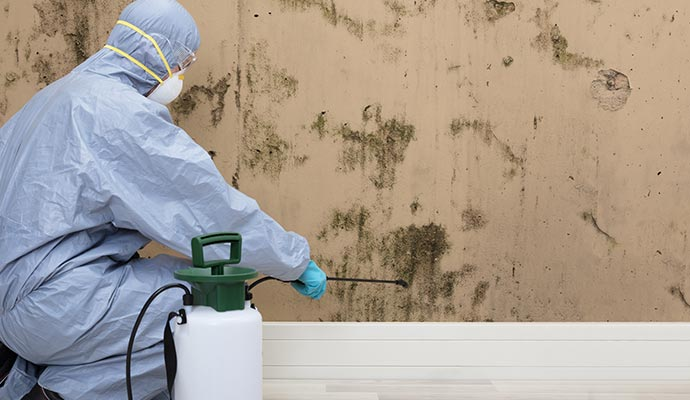
First Response Restoration responds to mold problems by addressing both the growth and the moisture source driving it. We identify affected areas using moisture meters and inspection, establish containment to prevent spore spread during remediation, remove contaminated materials using proper procedures, clean treated surfaces, and dry the area thoroughly. Mold remediation without moisture control is temporary. The growth returns. We focus on both so the work holds.

Mold Remediation
Quality Mold Remediation

Protecting Properties From Moisture-Driven Mold Growth

Mold remediation in New England properties requires understanding the regional conditions that drive it: humid summers, ice-dam-driven winter moisture intrusion, aging building envelopes with failing flashing and drainage, and the legacy of poorly dried water damage events in older housing stock. Mold behind plaster walls, under original hardwood floors, inside attic insulation, and in crawl space framing is common in the region's pre-war and mid-century housing.

First Response Restoration provides mold remediation for homeowners and businesses in Massachusetts, Rhode Island, Boston, Providence, Bridgewater, Plymouth, Cambridge, Worcester, and nearby communities. Our IICRC technicians use containment-minded procedures, controlled material removal, professional cleaning, and thorough drying, with documentation that can support insurance or property-management communication when required.

What To Expect

Mold Remediation Details

Mold is a moisture problem first

Mold remediation works best when the moisture source is understood and addressed before or alongside the removal work. Roof leaks, basement water intrusion, plumbing leaks behind walls, previous flooding that was not fully dried, chronic condensation on cold surfaces, and wet building materials from construction or renovation can all support sustained mold growth. We focus on identifying the source of moisture and drying affected structural materials as part of the remediation, not just removing visible growth and calling the job complete. A clean surface over a still-wet substrate will grow mold again.

Containment protects unaffected areas

Cleaning, sanding, or demolishing mold-affected materials without a containment plan can move dust and spores into adjacent rooms or HVAC areas. First Response Restoration uses containment and air-control methods suited to the conditions, removes affected materials carefully, and cleans the work area before barriers are removed. These controls help reduce cross-contamination during remediation.

What may need removal

Not everything affected by mold needs to be removed. Many structural materials can be cleaned and dried successfully when mold growth is surface-level and the material is sound. But porous materials with deep or long-term mold growth typically cannot be cleaned to an acceptable standard and must be removed: drywall with growth on the paper face, insulation with mold throughout the batt, carpet and padding with significant growth, trim that has been wet for extended periods. We evaluate each material based on the growth level, moisture history, material type, and the feasibility of cleaning versus removal, and document our decisions for the insurance or property record.

Preventing return growth

Visible cleanliness alone does not show whether the moisture condition has been addressed. Mold can return when a leak remains active, structural materials stay damp, or nearby wet materials are overlooked. First Response Restoration documents moisture conditions, identifies remaining contributors the property owner may need to address, and explains ventilation, drainage, or maintenance steps that can reduce future mold risk.

Our Services

Specialized Mold Remediation Solutions

  • Visible mold growth on a surface is often the indicator of a larger problem that extends into the structural material beneath, such as insulation, framing, subfloor, or drywall behind the visible face. First Response Restoration inspects moisture conditions throughout the affected area using moisture meters and visual inspection to understand the full scope before remediation begins. When third-party testing or air sampling is required for insurance, real estate transactions, or tenant documentation, we can coordinate with independent testing professionals and build the remediation scope around the documented findings.

  • Mold remediation requires more than cleaning visible surface growth. Disturbing affected materials without appropriate controls can move dust and spores into adjacent spaces. First Response Restoration establishes containment when conditions require it, removes contaminated materials using controlled procedures, cleans structural surfaces that can be treated, and verifies moisture conditions before the area moves to reconstruction.

  • Dark or black mold growth, including the species commonly referred to as 'black mold', should be treated as a serious structural moisture problem that requires professional remediation procedures, not DIY surface cleaning. Our team evaluates the moisture source driving the growth, establishes appropriate containment, removes affected materials using proper protocols, cleans and treats remaining surfaces, and verifies drying conditions after removal. We document the full scope of the remediation for insurance or property records.

  • Mold remediation that does not address the moisture source will result in return growth, often in the same location or in adjacent areas where conditions remained favorable. First Response Restoration identifies the moisture contributors, such as a chronic roof leak, groundwater infiltration, failed window flashing, plumbing leak, inadequate bathroom ventilation, or HVAC condensation issue, and provides clear findings so repairs address the source. We dry affected structural materials to appropriate moisture levels and provide recommendations for moisture control steps that reduce future growth risk.

Restoration Process

How Does Professional Mold Remediation Work?

Mold remediation corrects or controls the moisture source, limits spread, removes contaminated materials when needed, cleans remaining surfaces, and verifies that the area is dry.

  1. Identify the moisture source and affected extent

    Technicians evaluate visible growth, musty odors, water history, and moisture readings to understand what is affected and what caused the condition.

  2. Establish containment and work controls

    Containment, air control, protective equipment, and removal paths are selected according to the size, location, materials, and occupancy conditions.

  3. Remove contamination and clean surfaces

    Affected porous materials are removed when necessary, and remaining structural surfaces are cleaned with methods appropriate for the material and scope.

  4. Dry and evaluate completion

    The moisture source must be resolved, remaining materials must be dry, and the area is checked for visible growth, debris, and unresolved odor before restoration.

Common Questions

Mold Remediation FAQ

  • Call when growth covers more than a small isolated area, returns after cleaning, follows significant water damage, affects HVAC components, or may be hidden behind finishes. Musty odors and persistently wet materials also warrant investigation. Correcting the moisture source is essential before damaged areas are restored.

  • Testing is not necessary for every visible mold condition. It may be useful when the source is uncertain, growth is hidden, occupants need documented findings, or an insurer or property transaction requires it. When independent testing is appropriate, remediation work can follow the resulting scope and clearance criteria.

  • Coverage depends on what caused the moisture, how long the condition existed, policy exclusions, and any mold limitation or endorsement. Sudden covered water damage may be evaluated differently from deferred maintenance or long-term leakage. The restoration team documents conditions and work, while the insurer decides coverage.

Contact Us

Get In Touch With First Response Restoration

Location 152 Elm Street Unit 3, Bridgewater, MA 02324
house
Working Hours
Available 24/7, 365 Days a Year