
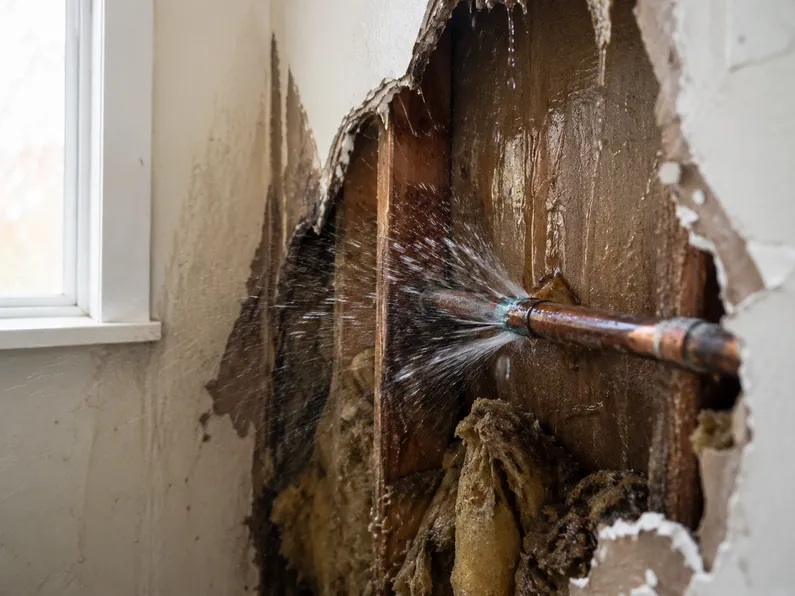
What to Do When a Pipe Bursts in a Massachusetts Home
A burst pipe doesn’t give you much warning. One minute everything is normal. The next, water is pouring through a wall, soaking into flooring, and spreading across a basement or living space faster than a mop and bucket can handle. If it happens to you, the decisions you make in the first hour matter more than almost anything else.
Here’s what to do - and what not to do - when a pipe bursts in your Massachusetts home.
Why Pipes Burst in New England
Massachusetts winters are hard on plumbing. When temperatures drop sharply and a home’s heating fails, is poorly insulated, or has pipes running through unheated spaces like crawl spaces, garages, or exterior walls, water inside those pipes can freeze. As ice forms, it expands - and the pressure it creates will eventually split or crack the pipe at its weakest point.
Freezing is the most common cause, but not the only one. Older pipes corrode over time. High water pressure can stress joints and connections. Water heaters that fail, broken supply lines behind appliances, and plumbing that was never properly installed can all let go without warning.
When any of these fail inside a finished space, the water doesn’t stay contained. It follows gravity and moves through walls, under floors, into insulation, and across subfloor materials - often for hours before anyone notices.
Step One: Shut Off the Water
Before you do anything else, cut off the water supply.
If the burst is on a specific fixture or appliance, turn off the shutoff valve directly at the source. Most sinks, toilets, and appliances have a valve nearby. If you can’t locate the individual valve, or if the burst is on a main supply line, shut off the main water valve to the house. This is typically located near the water meter, often in the basement or a utility closet.
If you don’t know where your main shutoff is, now is a good time to find out - before an emergency forces the search.
Once the water is off, open a faucet on a lower level to relieve pressure and drain any water remaining in the lines.
Step Two: Protect Yourself and Your Home
Standing water in a home is more dangerous than it looks. Even clean water from a burst pipe can carry bacteria if it has contacted soil, sewage lines, or contaminated surfaces. Wet electrical systems create shock hazards. Wet flooring can become unstable.
If water is near any electrical panel, outlets, or appliances, do not enter the space until power has been cut at the breaker. If you’re uncertain, stay out and call for help.
Move valuables, electronics, and furniture away from the affected area. If water is coming through the ceiling, place buckets and protect surfaces below - but keep in mind that a sagging ceiling can collapse, so watch for signs of structural stress before walking under it.
Document everything with photos and video before cleanup begins. Your insurance claim will depend on it.
Step Three: Call a Water Damage Restoration Company
This is where many homeowners lose time by underestimating the damage.
A wet-dry vacuum and a box fan will not dry out a flooded room. Water moves into wall cavities, under baseboards, beneath laminate and hardwood, and into insulation within minutes. Once it’s there, it’s invisible - but it continues to cause damage. Mold can begin to develop in as little as 24 to 48 hours in wet conditions.
Professional water damage restoration crews have the tools and training to find moisture you can’t see. They use thermal imaging cameras and moisture meters to map the full extent of the damage, then deploy commercial-grade drying equipment - air movers, dehumidifiers, and desiccant systems - to pull moisture out of structural materials before it has a chance to cause secondary damage.
At First Response Restoration, we respond to water damage emergencies throughout Massachusetts and Rhode Island 24 hours a day. Our IICRC-certified technicians arrive ready to extract standing water, document the damage for your insurance claim, and begin drying the structure immediately.
What Professional Water Damage Cleanup Looks Like
When a restoration crew arrives at a burst pipe emergency, the first priority is extracting visible water. Commercial water extractors can remove hundreds of gallons quickly, pulling water out of flooring, carpet, and subfloor materials.
From there, the process moves into monitoring and drying. Technicians place equipment at precise intervals throughout the affected area and take daily readings of temperature, humidity, and moisture content in the building materials. This continues until readings confirm the structure has returned to dry, safe levels - typically three to five days depending on the extent of the damage.
Materials that cannot be dried in place - saturated insulation, certain types of drywall, water-damaged flooring - are removed to allow the underlying structure to dry completely. This step is important. Leaving wet materials in place and drying around them is one of the most common causes of mold growth after water damage.
If the damage is extensive, a pack-out may be needed. Restoration crews will inventory, pack, and relocate personal belongings to protect them during the drying and repair process.
Once the structure is dry, the repair phase begins - replacing drywall, reinstalling flooring, repainting, and restoring the home to its pre-loss condition.
Working with Your Insurance Company
Burst pipe damage is typically covered under standard homeowners insurance in Massachusetts, though coverage details vary by policy. The key is acting quickly and documenting everything thoroughly.
Your restoration company should work directly with your insurance adjuster - providing moisture readings, damage documentation, equipment logs, and photo evidence throughout the process. At First Response Restoration, we handle direct insurance billing and can communicate with your adjuster on your behalf, so you’re not managing that process on top of everything else.
Call your insurance company as soon as the water is stopped and you’re in a safe location. Most policies require prompt notification, and delays can complicate claims.
Preventing Burst Pipes in Massachusetts Homes
Once you’ve been through a burst pipe once, prevention becomes a priority.
During cold snaps, keep your heat set no lower than 55 degrees - even if you’re away. Open cabinet doors under sinks on exterior walls to allow warm air to circulate around the pipes. If you have pipes in an unheated garage, crawl space, or attic, consider adding pipe insulation or heat tape before winter.
Know where your main water shutoff is and make sure every adult in the household knows how to use it. A burst pipe that gets shut off in two minutes causes significantly less damage than one that runs for two hours.
If you’re leaving for an extended period during winter, consider shutting off the main water supply entirely and draining the lines.
When to Call First Response Restoration
If a pipe has burst in your Massachusetts home and water has spread into more than one room, entered walls or ceilings, or sat for more than an hour, professional help is the right call.
First Response Restoration has been serving Massachusetts and Rhode Island homeowners for 15 years. We’re licensed, bonded, and insured in both states, and our IICRC-certified technicians are available around the clock for water damage emergencies.
Call us at (774) 670-5912 any time. We offer free estimates and direct insurance billing, and we’ll be there fast.


