
All Services Restoration Services

Fire Damage Restoration and Remediation

Fire damage cleanup, emergency board ups, soot removal, contents support, and property stabilization.

Fire Damage Remediation
Fire Damage Cleanup and Property Stabilization

What Is Fire Damage Restoration and Remediation?

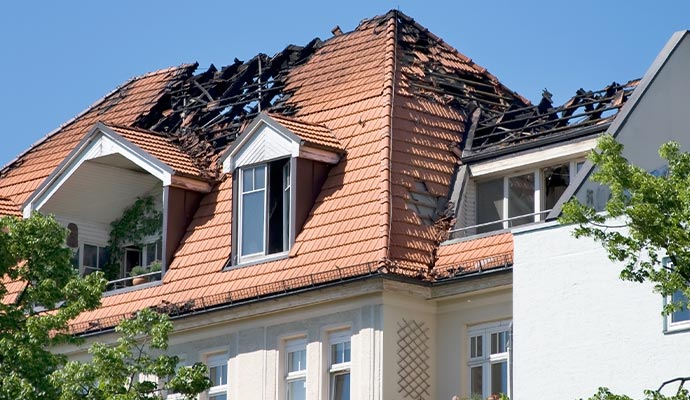
After a fire, the damage rarely stops at the burned area. Smoke and soot spread through rooms, walls, insulation, and ductwork. Water from firefighting efforts saturates insulation, drywall, and flooring. Broken windows and damaged roofs leave the structure exposed to weather. And all of it keeps causing damage while cleanup, insurance, and decision-making unfold.

First Response Restoration responds quickly to help stabilize the property and stop the secondary damage cycle. We provide emergency board ups to secure broken openings, extract water left from suppression, remove damaged materials and debris, clean soot from surfaces and contents, and document the full scope of the loss for your insurance adjuster. Our goal is to give you a cleaner, more secure starting point for the recovery process, not just a debris removal job.

Fire Damage Remediation
Quality Fire Damage Remediation

Guidance From Emergency Response Through Recovery

Fire damage is one of the most disorienting property emergencies because cleanup, safety assessment, insurance coordination, contents decisions, and repair planning all happen simultaneously and under significant stress. Property owners often do not know where to start, what to keep or discard, what is covered, or who is responsible for what. First Response Restoration brings structure to that process.

We serve Massachusetts, Rhode Island, Boston, Providence, Bridgewater, Plymouth, Cambridge, Worcester, and nearby communities with professional fire damage remediation that prioritizes clear communication and systematic execution. We document damage for insurance, address immediate safety concerns, protect salvageable contents, remove materials that cannot be restored, clean soot and residue from affected surfaces, and help move the property from emergency chaos toward a clean, secure, restorable condition, with a documented scope your contractor and insurance adjuster can use to plan the rebuild.

What To Expect

Fire Damage Remediation Details

Stabilization comes first

After a fire, the building is often in an unstable and deteriorating state: open to weather through broken windows and damaged rooflines, wet from firefighting water, compromised structurally in fire-affected areas, and actively being damaged by soot residue on surfaces. First Response Restoration begins with emergency stabilization: board ups to close openings, water extraction to remove suppression water, and a damage assessment to document conditions and identify what needs immediate attention. Stabilization prevents the loss from growing while the recovery process begins.

Soot and residue can keep damaging surfaces

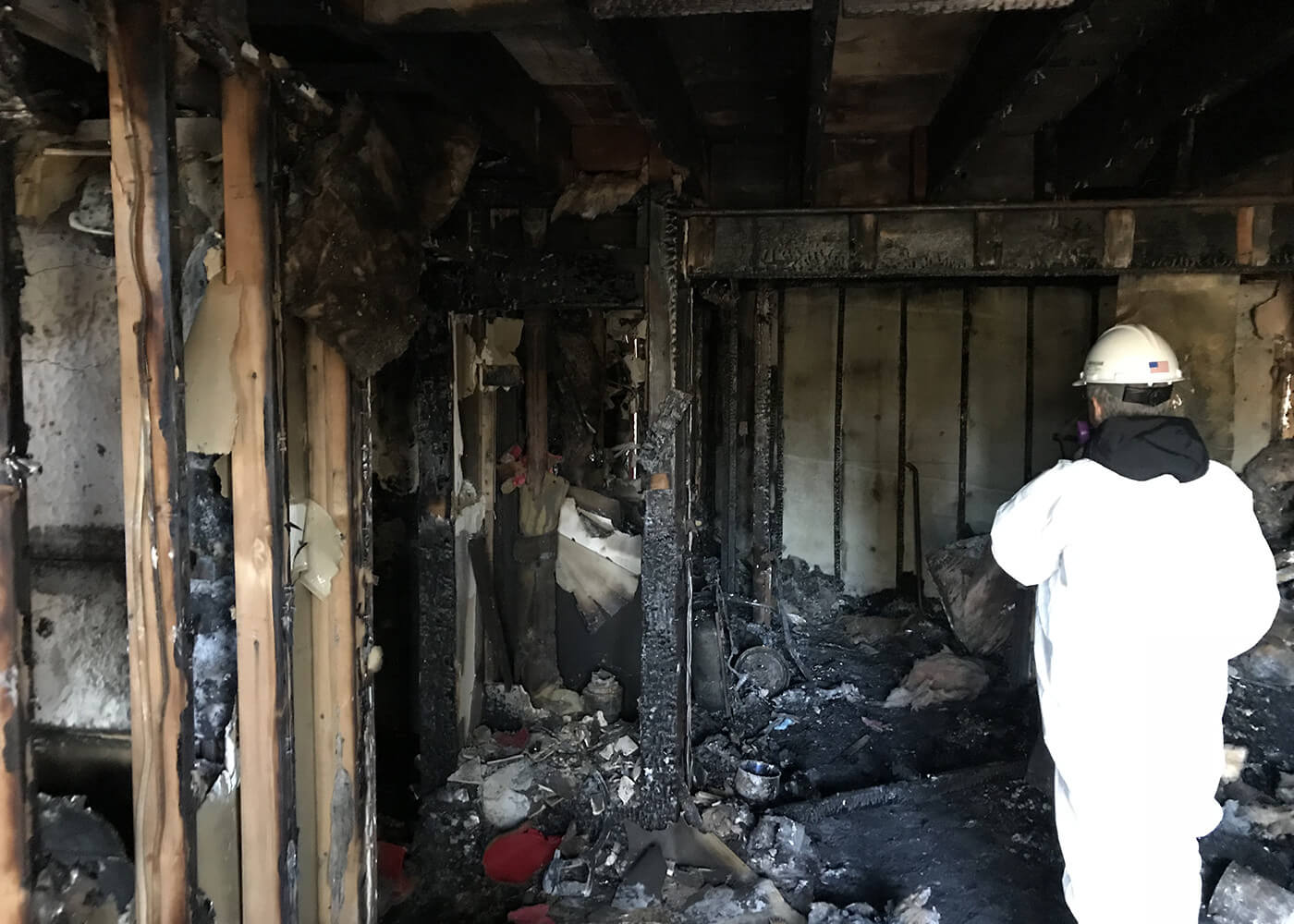
Soot is not inert. It is acidic and continues to react with surfaces after the fire is extinguished. On metal fixtures, appliances, and hardware, soot can cause pitting and corrosion within days. On painted surfaces, it causes yellowing and permanent staining. On electronics, it accelerates failure. On fabrics and soft goods, it sets deeply over time. Fast professional cleaning limits this damage and can meaningfully reduce the replacement scope of a fire loss. Waiting for insurance approval before beginning soot cleanup often results in items that could have been cleaned becoming non-restorable.

Fire cleanup often includes water damage

A significant portion of fire damage claims involve water damage from suppression. Firefighting water soaks insulation, drywall, subfloor materials, and flooring in areas well beyond the burn zone, and that water must be extracted and dried just as urgently as any other water loss event. First Response Restoration addresses both the fire-damaged and water-affected areas in coordination, so drying and remediation are planned and executed as a unified scope rather than treated as separate problems discovered at different stages.

A clearer path through recovery

Fire damage creates simultaneous demands: safety, cleanup, insurance, contents decisions, contractor coordination, and temporary housing or business continuity. First Response Restoration helps property owners understand the sequence: stabilize first, document thoroughly, remove what cannot be saved, clean what can be saved, and prepare a clear scope for the rebuild. We communicate directly with insurance adjusters, provide detailed documentation of all remediation work, and help property owners make informed decisions about contents and materials throughout the process.

Our Services

Specialized Fire Damage Remediation Solutions

  • Fire damage cleanup goes well beyond removing burned material. Soot coats surfaces beyond the visible burn area, water from suppression saturates structural materials, and unsafe debris creates hazards that must be addressed before restoration work begins. First Response Restoration removes burned and unsalvageable materials, cleans soot and char residue from surfaces that can be restored, extracts water from firefighting efforts, addresses odor sources, and documents all conditions for insurance. We prepare the property for the rebuild phase with a clear scope and photographic record.

  • Fires can damage windows, exterior doors, garage doors, and roof sections, leaving the structure exposed to weather, pests, vandalism, or unauthorized entry. Once emergency authorities permit stabilization work, First Response Restoration can install temporary board ups over damaged openings. This helps limit additional exposure while insurance inspection and cleanup planning begin.

  • Soot residue can stain, corrode, or discolor finishes, metals, electronics, fabrics, and contents after a fire. First Response Restoration evaluates the residue and affected material before selecting dry cleaning, wet cleaning, HEPA vacuuming, chemical sponges, or removal. Prompt assessment helps identify what may be safely cleaned and what is too damaged or contaminated to restore.

  • Smoke and soot damage affects furniture, clothing, documents, electronics, artwork, and personal belongings far beyond the fire's origin room. When contents need to be documented, packed, removed from the property, cleaned off-site, or stored during the restoration, First Response Restoration helps coordinate those steps. We inventory salvageable items, help separate restorable from non-restorable contents, and support the documentation process so contents losses are properly reflected in the insurance claim.

Restoration Process

How Does Fire Damage Restoration and Remediation Work?

Fire restoration begins after official safety clearance and moves from stabilization and documentation through water, soot, debris, odor, contents, and rebuild preparation.

  1. Confirm clearance and stabilize the property

    After authorities allow access, technicians document immediate hazards and secure damaged windows, doors, roofing, or other exposed openings when needed.

  2. Document damage and remove suppression water

    The team records affected rooms and contents, extracts firefighting water, and begins drying wet structural materials.

  3. Address debris, soot, smoke, and contents

    Unsafe materials are removed as authorized, salvageable surfaces and contents are evaluated for cleaning, and smoke migration and odor sources are assessed.

  4. Prepare the property for recovery

    The completed mitigation scope, photos, material decisions, and remaining repair needs are organized for the owner, insurer, and rebuilding team.

Common Questions

Fire Damage Restoration and Remediation FAQ

  • Restoration work begins only after fire officials or other authorities permit access. Even then, unstable materials, electrical hazards, contaminated suppression water, and exposed openings may require controls. The first visit focuses on documenting conditions, identifying immediate hazards, and stabilizing the property before detailed cleanup proceeds.

  • After everyone is safe and authorities release the property, notify your insurer and arrange emergency stabilization. Avoid disturbing soot or entering unsafe areas. Restoration teams can document damage, board up exposed openings, address firefighting water, evaluate contents, and outline the next cleanup and recovery decisions.

  • Useful documentation can include room-by-room photographs, affected materials, emergency board up work, suppression-water extraction, contents decisions, cleaning records, and remaining repair needs. First Response Restoration organizes mitigation records for the owner and adjuster, but the carrier determines coverage, valuation, and authorization under the policy.

Contact Us

Get In Touch With First Response Restoration

Location 152 Elm Street Unit 3, Bridgewater, MA 02324
house
Working Hours
Available 24/7, 365 Days a Year