
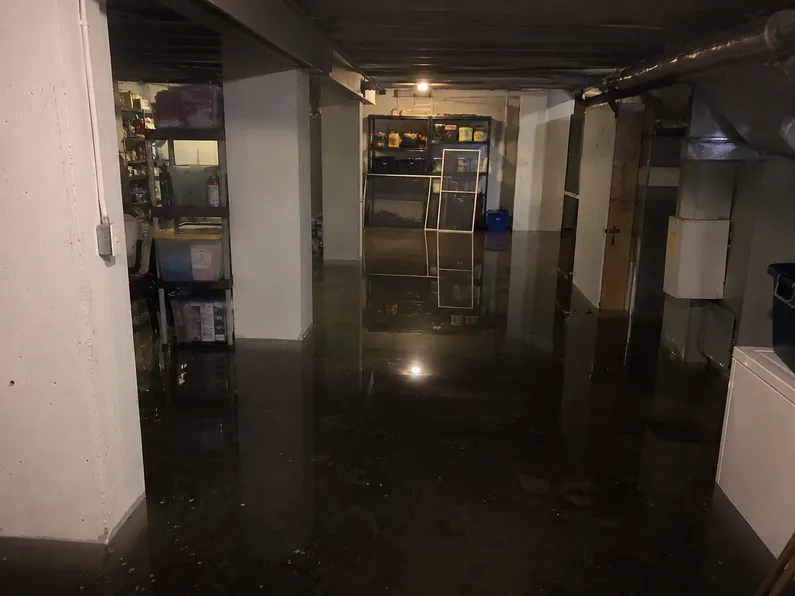
A sewage backup is one of the most alarming things a homeowner can discover. The smell hits you first - then you see it. Dark, contaminated water rising from the floor drain, pushing up through the toilet, or seeping from beneath the washing machine. It’s disorienting, it’s foul, and it’s dangerous.
This is not a cleanup you handle with a mop and bleach. Sewage contains bacteria, viruses, and parasites that can cause serious illness. The longer it sits, the more it spreads - and the more damage it causes to your home. Fast professional response isn’t just the smart move. In many cases, it’s the only safe one.
For local emergency help, see sewage backup cleanup in Boston or sewage backup cleanup in Providence to review city-specific contamination-control, disinfection, drying, and insurance-documentation support.
What Causes a Sewage Backup
Sewage backups happen when the flow through your drain lines is blocked or reversed. Several things can cause this.
Tree roots are a leading culprit in older neighborhoods throughout Massachusetts. Over time, roots work their way into the joints of buried sewer pipes, eventually creating blockages that send sewage back up the line and into the lowest point of your home - usually the basement.
Grease, wipes, and debris buildup inside pipes is another common cause, especially in homes where “flushable” wipes or cooking grease have gone down drains for years. These materials accumulate and create partial or complete obstructions.
During heavy rain or rapid snowmelt, municipal sewer systems in some older Massachusetts communities can become overwhelmed. When the public main is at capacity, the pressure can force sewage backward through private lateral lines and into homes - a problem known as a sewer surcharge or combined sewer overflow event.
Broken or collapsed sewer lines, aging cast iron or clay pipes, and offset joints from ground movement can all create conditions for backup as well.
The Health Risks Are Real
Sewage water is treated as highly contaminated Category 3 water in the restoration industry. The CDC warns people to avoid contact with water that may contain sewage because it can make them sick. Exposure can occur through direct contact, contaminated items, or accidental transfer to the mouth, eyes, or broken skin.
Children, elderly individuals, and anyone with a compromised immune system are at particularly high risk. But even healthy adults can become seriously ill after significant exposure.
This is why sewage cleanup must be done by trained technicians with proper protective equipment, industrial disinfectants, and processes built around containment and safe disposal. It is not a DIY situation.
What Happens If You Wait
Every hour a sewage backup sits untreated, the contamination spreads further. Sewage water wicks into concrete, drywall, insulation, wood framing, and any porous surface it contacts. The bacteria multiply. The damage deepens.
Within 24 to 48 hours, mold growth becomes a secondary concern. Contaminated water creates the warm, wet, nutrient-rich conditions mold spores need to establish and spread - and once mold takes hold, remediation becomes a more complex and costly process layered on top of the sewage cleanup itself.
Structural materials that might have been salvageable with a rapid response often need full replacement after prolonged exposure. Subfloor, framing, insulation, and drywall that have absorbed sewage typically cannot be adequately sanitized and must be removed.
The cost of waiting, in other words, compounds quickly.
What Professional Sewage Cleanup Involves
When a trained restoration crew arrives at a sewage backup, the first priority is containment - stopping the spread of contaminated water and setting up proper safety barriers.
From there, the process follows a structured sequence:
Extraction. Industrial-grade equipment removes standing sewage water from the basement or affected area. This is not a wet-dry vacuum from the hardware store - restoration equipment is built to handle contaminated water at volume.
Removal of unsalvageable materials. Any porous material that has absorbed sewage - carpet, padding, drywall, insulation, certain types of flooring - is removed and disposed of properly in accordance with state guidelines. These materials cannot be adequately disinfected once saturated.
Cleaning and disinfection. Recoverable hard surfaces, such as concrete floors, block walls, and metal components, are cleaned and treated with professional disinfectants appropriate for the affected materials and conditions. Technicians document the cleaning steps completed in the affected area.
Drying and dehumidification. Once contaminated materials are removed and recoverable surfaces are cleaned and disinfected, the drying phase begins. Commercial air movers and dehumidifiers help structural materials reach appropriate dry conditions and reduce the risk of additional moisture-related damage.
Odor control. Sewage odor can persist when contamination remains in materials or concealed spaces. Odor work starts with source removal, cleaning, disinfection, and drying. Additional air-filtration or deodorization equipment may be selected according to site conditions and manufacturer instructions.
Monitoring. Throughout the drying process, technicians take regular readings and document conditions. The job isn’t finished until moisture levels confirm the structure is genuinely dry.
Contents and Personal Property
One thing homeowners often overlook in the chaos of a sewage backup is what to do with personal property that was in the affected area. Stored items, furniture, laundry, tools, seasonal equipment - anything that was in contact with sewage water needs to be assessed.
Nonporous items that can be thoroughly cleaned and disinfected may be salvageable. Soft goods - clothing, upholstered furniture, mattresses - that were in direct contact with sewage typically cannot be safely restored and should be disposed of.
A contents pack-out - where restoration crews inventory, remove, and relocate belongings during the cleanup process - protects items that weren’t directly affected and makes the remediation work easier to complete properly.
Insurance and Sewage Backups
Sewage backup coverage is one of the more nuanced areas of homeowners insurance. Standard policies in Massachusetts do not always cover sewer and drain backup - it’s often an optional rider that many homeowners don’t realize they have or don’t have until they need it.
Review your policy now if you’re not sure. If you do have coverage, your restoration company should document the damage thoroughly and communicate directly with your adjuster throughout the process. At First Response Restoration, we handle direct insurance billing and work with adjusters on your behalf - including providing the moisture readings, damage logs, and photo documentation insurers require.
Even if your coverage is limited, professional sewage cleanup is not optional from a health and safety standpoint. We offer free estimates and will walk you through your options from the start.
Preventing Future Backups
Once your basement has been cleaned and restored, it’s worth taking steps to reduce the risk of it happening again.
Have a licensed plumber inspect your sewer lateral - the line that runs from your home to the municipal main. If it’s an older clay or cast iron pipe, it may be near the end of its useful life. A camera inspection will tell you what’s there and whether lining or replacement makes sense.
Avoid putting grease, wipes, or fibrous materials down your drains. Install a drain plug or backwater valve on basement floor drains - these devices allow water to flow out normally but prevent flow from coming back in during surcharge events.
If your basement has a sump pump, make sure it’s in working order and that the discharge line is clear before heavy rain or snowmelt season.
Call First Response Restoration
If your basement has backed up with sewage, don’t wait. The longer contaminated water sits, the worse the damage and the greater the health risk.
First Response Restoration responds to sewage backup emergencies throughout Massachusetts and Rhode Island 24 hours a day. Our IICRC technicians follow contamination-control, material-removal, cleaning, disinfection, drying, and monitoring procedures appropriate for sewage losses.
Call us at (774) 670-5912. We offer free estimates, document the restoration work, coordinate with adjusters, and provide direct insurance billing when applicable.
Frequently asked questions
Sewage can contain harmful microorganisms and spread contamination into porous materials and clean areas. Keep people and pets away, avoid standard vacuums and household fans, and do not handle contaminated materials without appropriate controls. Professional cleanup can remove affected water and materials, disinfect salvageable surfaces, and dry the structure.
The first steps are usually safety assessment, contamination control, source coordination, water removal, and documentation of affected rooms and materials. Technicians evaluate how far the sewage traveled, remove unsalvageable porous materials when needed, clean and disinfect salvageable surfaces, control odor, and monitor drying before repairs begin.
Coverage depends on the source of the backup, policy language, exclusions, limits, and whether a sewer or drain backup endorsement applies. A restoration company can document conditions, removed materials, cleaning procedures, and drying progress, but the insurance carrier reviews the loss facts and makes the coverage decision.


