
Water Damage Restoration in Falmouth, MA
24/7 emergency water damage support from First Response Restoration.
What Does Water Damage Restoration in Falmouth, MA Include?
First Response Restoration provides water damage restoration for homes and businesses in Falmouth, MA. Our team assesses the affected area, controls immediate damage, completes the cleanup and drying or remediation steps the conditions require, and documents the work for the property owner and insurance carrier.
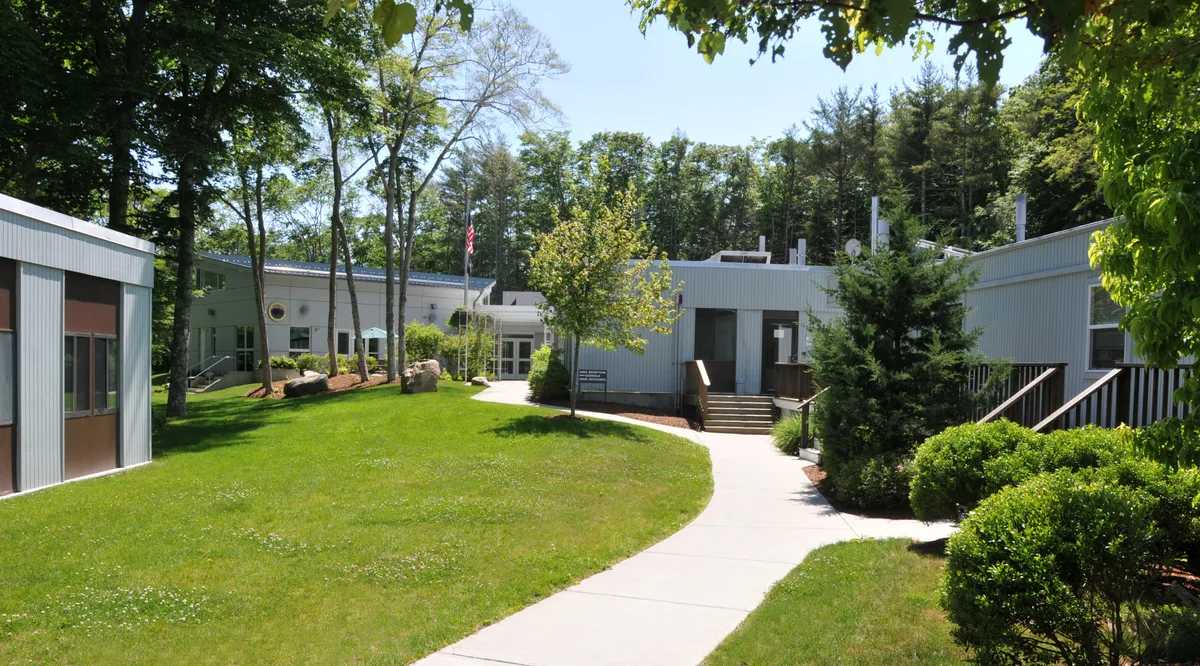
Water Damage Restoration for properties in Falmouth, MA
Falmouth's coastal setting makes flood preparedness useful, but an indoor water loss can also begin with a leaking appliance, broken pipe, or damaged roof. First Response Restoration provides water extraction, moisture assessment, and structural drying throughout Falmouth, including East and West Falmouth. We identify the actual source and affected materials before setting the cleanup scope.
Read our full water damage service guide for methods, equipment, and related cleanup services.
Learn about First Response Restoration's emergency restoration services, our team, and support for property owners across Massachusetts and Rhode Island.
Make the first call useful
Give dispatch the full street address and village, when the water was discovered, and whether it is still entering. Explain whether the building is occupied and who can provide access. If you are away, a property manager or authorized keyholder may need to meet the team. Tell us about basement equipment, locked areas, and any known electrical or structural hazards.
Keep people out of standing water near electrical equipment. Only operate a shutoff if you can reach it safely. Water from a drain backup or outside flooding may need contamination controls, so avoid tracking it into clean rooms. Photographs can help document the loss if they can be taken without entering an unsafe area or delaying assistance.
Find moisture beyond the puddle
Technicians extract accessible water and inspect affected finishes and structural materials. Water can collect under flooring, behind baseboards, inside insulation, and around basement wall assemblies. A room that looks dry may still need moisture checks. We explain findings and distinguish materials that can be dried from those that are damaged or contaminated beyond practical restoration.
Professional drying equipment manages moisture in the building and the air. The team checks material readings, humidity, temperature, and equipment operation as drying progresses. Ask before opening windows, moving air movers, or switching equipment off. Those changes can alter the drying conditions and make it harder to assess progress consistently across the affected rooms.
Address the source before closing the work
Extraction cannot repair a failed pipe or make a building immune to future flooding. The source may need attention from the appropriate plumbing, roofing, or building professional while restoration proceeds. Falmouth's official flood information is useful for longer-term property planning; the cleanup assessment establishes what happened in this particular loss. We do not infer a home's flood history from its village or distance from the coast.
Our documentation can include affected rooms, removed materials, moisture readings, and completed work for the owner and adjuster. Discuss contents, storage, and repair scheduling before finishes are replaced. First Response Restoration offers free estimates and direct insurance billing, with policy coverage determined by the insurer. Call (774) 670-5912 to arrange Falmouth service through our 24/7 dispatchers.
Help dispatch assess a Falmouth water loss
- Say when the house was last checked and damage discovered.
- Describe whether water entered outdoors or escaped from indoor plumbing.
- Arrange permission and safe access before sending a keyholder.
Check Falmouth flood-planning resources. Flood maps support preparedness. They do not determine the source, contamination, or insurance coverage of this loss.
Restoration questions in Falmouth
The source, contaminants, elapsed time, and affected materials determine the cleanup approach. Outside floodwater or a sewage backup can require containment and removal decisions beyond those for a recent clean-water pipe leak. We assess those conditions before choosing extraction, cleaning, disinfection, and drying methods for the basement.
Discuss the drying results first. Water may remain inside assemblies after the floor surface looks dry, and enclosing wet materials can hide an unresolved problem. Technicians monitor material conditions and explain what still needs drying, cleaning, or removal. Repair scheduling should follow that assessment and any work needed to correct the source.
How Does Water Damage Restoration Work in Falmouth, MA?
Professional water restoration controls the source, removes water, finds hidden moisture, and documents drying until affected materials reach appropriate dry conditions.
-
Assess the source and affected area
Technicians identify the water source when possible, check immediate hazards, document visible conditions, and map moisture beyond the visibly wet area.
-
Extract standing water
Portable or truck-mounted extraction equipment removes accessible water from floors, cavities, and other affected areas before structural drying begins.
-
Dry and monitor structural materials
Air movers, dehumidifiers, moisture meters, and humidity readings guide equipment placement and confirm drying progress over time.
-
Clean and prepare for restoration
Affected areas are cleaned, sanitized, deodorized, or repaired as conditions require, and documentation is organized for the property owner and insurer.
Explore Restoration Support Connected to Falmouth, MA
Property damage can involve water, mold, smoke, sewage, fire, or emergency board up needs at the same time. Use these links to compare related services in Falmouth, MA or nearby service areas.
More Services in Falmouth, MA
Specialized Water Damage Solutions
Standing water can move into subfloors, wall cavities, insulation, and contents beyond the visibly wet area. First Response Restoration uses professional extraction equipment to remove accessible water, then uses specialized moisture-detection equipment to evaluate affected structural materials. We place professional air movers and dehumidifiers and monitor readings to guide the drying process.
Broken or frozen pipes can release hundreds of gallons before the water supply is shut off, driving water through walls, ceilings, multiple floors, and into finished spaces. Our team responds to assess the full scope, including areas you cannot see, then extracts standing water, removes damaged materials when necessary, disinfects areas exposed to pipe water, and begins structural drying. We document the scope and progress carefully to support your insurance claim.
Basements that flood from storm water, sump pump failures, groundwater intrusion, drain backups, or plumbing failures present unique challenges. Concrete floors and block walls hold moisture, and finished basement spaces can hide water behind drywall and under laminate or carpet for days. First Response Restoration removes standing water, evaluates the moisture condition of structural and finished materials, removes affected materials when necessary, treats for microbial risk, and dries the space with professional equipment monitored over multiple days.
Roof leaks from storm damage, missing shingles, ice dams, failed flashing, or deteriorated membranes can drive water into attic insulation, ceiling joists, drywall, and wall cavities below. A visible ceiling stain may not show the full affected area. We use specialized moisture-detection equipment to evaluate conditions, remove damaged materials when required, and monitor structural drying before repairs begin.
Request a free restoration estimate
For an active emergency, call (774) 670-5912 to reach our 24/7 dispatchers. For other inquiries, tell us where the property is and what happened so our team can follow up.