
Smoke Damage Restoration in Halifax, MA
24/7 emergency smoke damage support from First Response Restoration.
What Does Smoke Damage Restoration in Halifax, MA Include?
First Response Restoration provides smoke damage restoration for homes and businesses in Halifax, MA. Our team assesses the affected area, controls immediate damage, completes the cleanup and drying or remediation steps the conditions require, and documents the work for the property owner and insurance carrier.
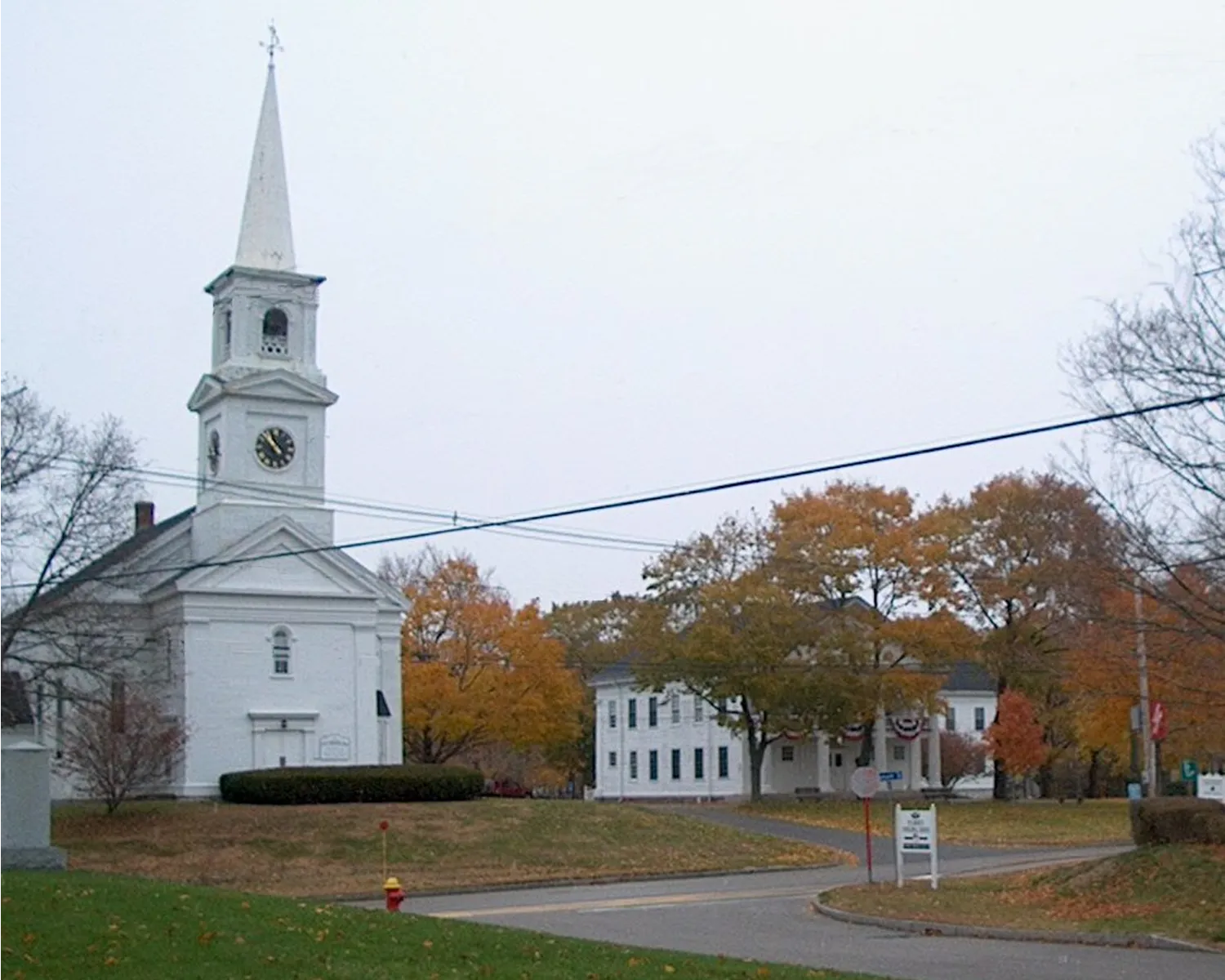
Smoke Damage Restoration for properties in Halifax, MA
Halifax's properties near Monponsett Pond, wooded neighborhoods, and homes with basement utility areas can give smoke residue and odor multiple paths into concealed cavities, adjacent rooms, mechanical areas, and porous materials. Halifax smoke damage can move through rooms, insulation, ductwork, and contents even after a small fire. First Response Restoration cleans soot residue, addresses odor sources, and helps restore affected areas for safer occupancy.
Read our full smoke damage service guide for methods, equipment, and related cleanup services.
Learn about First Response Restoration's emergency restoration services, our team, and support for property owners across Massachusetts and Rhode Island.
Planning smoke damage in Halifax, MA
Frequently Asked Questions
Soot can respond differently depending on the burned material and the surface finish. Avoid broad wiping or household vacuuming before assessment, which can spread residue or set stains. Describe the affected rooms and furnishings so cleaning methods can be evaluated on appropriate materials before larger areas are treated.
Yes. In Halifax properties, we evaluate the soot type, affected surfaces, and how far residue traveled before choosing a cleaning method. We clean recoverable surfaces and contents where appropriate, identify materials that require removal, and address residue promptly to limit staining, corrosion, and persistent odor.
First Response Restoration offers a 1 hour response time for active emergencies in Halifax, MA. Actual arrival can depend on weather, road conditions, site access, and current call volume. Calling promptly allows dispatchers to assess immediate hazards and prepare IICRC technicians for the reported type of damage.
How Does Smoke Damage Restoration Work in Halifax, MA?
Smoke restoration identifies where residue traveled, cleans affected materials with methods suited to the residue, addresses odor sources, and evaluates the property before occupancy decisions.
-
Assess smoke and soot migration
Technicians inspect rooms, surfaces, contents, and relevant HVAC areas to determine where residue and odor have traveled beyond the fire area.
-
Protect clean areas and remove loose residue
Work areas are organized to limit transfer, and loose particles are removed with methods that avoid spreading or embedding residue.
-
Clean or remove affected materials
Cleaning methods are matched to the residue and material, while items that cannot be safely restored are documented for removal decisions.
-
Address odor sources and verify conditions
Remaining odor sources are treated after cleaning, and the team evaluates whether additional material, contents, or HVAC work is needed.
Explore Restoration Support Connected to Halifax, MA
Property damage can involve water, mold, smoke, sewage, fire, or emergency board up needs at the same time. Use these links to compare related services in Halifax, MA or nearby service areas.
More Services in Halifax, MA
Specialized Smoke Damage Solutions
Smoke odor that returns after cleaning may indicate residue remaining in insulation, drywall, carpet padding, wood framing, upholstery, ductwork, or other affected materials. Our technicians evaluate smoke migration beyond the visibly affected area, clean or remove residue-bearing materials as appropriate, and select professional deodorization methods for the conditions. The goal is to address odor sources rather than mask them temporarily.
Different types of soot, from wood fires, synthetic materials, proteins like grease or food, or petroleum-based sources, behave differently on surfaces and require different cleaning methods. Using the wrong approach can smear oily residue, damage finishes, or set protein smoke stains permanently. First Response Restoration evaluates the soot type and the surface material before selecting cleaning methods, removing residue carefully from walls, ceilings, cabinets, fixtures, and contents where restoration is possible and supported by the insurance scope.
Forced-air HVAC systems are highly effective at distributing smoke odor and fine particulate throughout a building during and after a fire event. Smoke that enters return air ducts, the air handler, or supply ducting recirculates through every room in the home every time the system runs, explaining why smoke odor seems to reappear in rooms far from the fire's origin. First Response Restoration evaluates duct contamination as part of the smoke damage assessment and helps coordinate cleaning steps for contaminated duct systems when the scope requires it.
After visible soot cleanup is complete, fine smoke particles and volatile organic compounds from incomplete combustion can linger in the air and in porous materials, affecting comfort and safety in occupied spaces. First Response Restoration focuses on the residue and materials that continue releasing odor and particles into the indoor environment, including affected insulation, soft goods, and structural materials that need removal or treatment, and supporting ventilation steps that reduce particle concentration during the cleanup process.
Request a free restoration estimate
For an active emergency, call (774) 670-5912 to reach our 24/7 dispatchers. For other inquiries, tell us where the property is and what happened so our team can follow up.