
Cold-weather planning is easier before a leak leaves you deciding whom to call. For Bridgewater property owners, that means knowing where the water supply can be shut off, which areas of the building need attention before freezing weather, and how to describe damage when requesting help.
First Response Restoration provides emergency cleanup for homes and businesses from its Bridgewater base. Our work includes water damage, sewage backups, fire and smoke damage, mold remediation and emergency board-ups. This guide connects winter preparedness with the practical questions that can help you start a restoration conversation.
Prepare Before Temperatures Drop
Locate the main water shutoff and ask a qualified professional to explain its operation if you are unsure. Make sure the people responsible for the property know where it is. The Boston Water and Sewer Commission’s winterization guidance recommends knowing the shutoff location and insulating pipes in unheated spaces.
Arrange a review of exposed plumbing and cold areas such as an unheated basement, attic or garage. Avoid assuming a pipe is protected simply because it is indoors. If insulation, plumbing or heating work is needed, have the appropriate professional assess the building.
The Commonwealth’s winter-readiness guidance for homes, vehicles and communications discusses pipe insulation, heating maintenance and reducing ice-dam risk. Plan safe gutter and downspout maintenance in advance; do not climb onto an icy roof or enter an unsafe area to investigate a concern.
If Water Enters the Property
Start with safety. Keep away from standing water near electrical equipment, suspected sewage and areas with unstable materials. Leave an unsafe area and contact emergency services or the appropriate building professional when immediate hazards are present. Ready.gov’s flood guidance explains why floodwater and electrical equipment require caution.
Shut off a known water supply only when the control is safely accessible. From a safe position, record when you discovered the problem and take photographs of the affected area. Contact your insurer to ask about documentation and the claims process. A restoration assessment does not determine whether a loss is covered; that decision rests with the insurer under the policy.
What to Tell Emergency Dispatch
First Response Restoration has 24/7 emergency dispatchers. When calling, explain where the property is, what happened and whether water is still entering. Describe the rooms and materials affected, any smoke or unusual odors, access restrictions and known hazards. You do not need to diagnose the full extent of the damage before calling.
Our service-area directory includes East Bridgewater, West Bridgewater, Brockton, Taunton and Middleborough, with service across Massachusetts and Rhode Island. Confirm arrangements for the particular property with dispatch. Weather, location, access and current conditions can affect arrival.
Match the Cleanup to the Damage
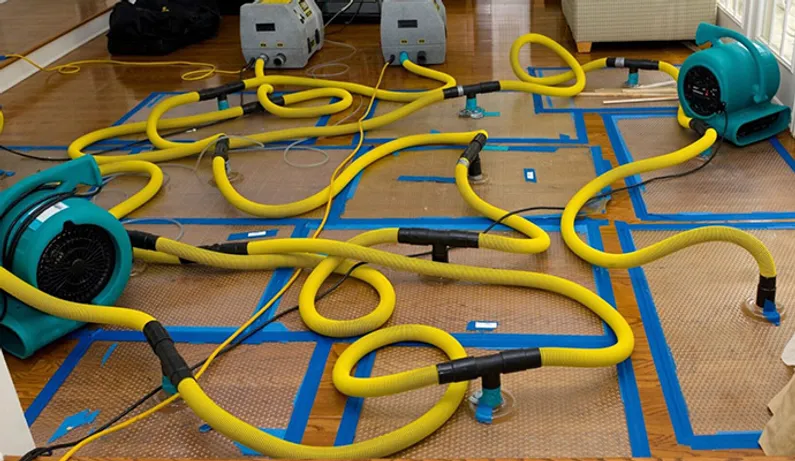
Water damage restoration can involve extraction, drying, moisture checks and documentation. The affected area may extend beyond the water you first see. Sewage cleanup requires attention to contamination, while fire and smoke work can involve damaged surfaces, soot and lingering odor. Emergency board-ups help secure damaged openings.
Mold concerns also require attention to moisture and affected materials. The EPA’s mold and moisture guide explains the importance of correcting the water problem alongside cleanup. The work appropriate for one property may differ from another, so ask for an explanation of the proposed scope and next steps.
These resources offer general planning and safety information. They cannot replace an assessment of the conditions in your building.
Contact First Response Restoration
For emergency cleanup or questions about our restoration services, contact First Response Restoration at 152 Elm Street Unit 3, Bridgewater, MA 02324.
Phone: (774) 670-5912
Email: 911waterout@gmail.com


