
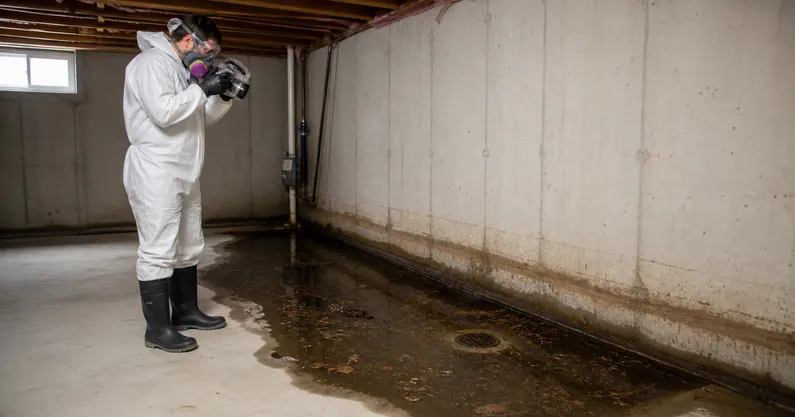
In Massachusetts, standard homeowners insurance usually does not cover water damage caused by a sewer backup automatically. Coverage is often available through a separate sewer, drain, or water-backup endorsement. Whether a specific loss is covered depends on the cause, the exact policy language, the endorsement, its limit, the deductible, and the insurance carrier’s review.
That answer matters, but it should not delay a safe response. Sewage can expose occupants to harmful contaminants and can spread into flooring, drywall, insulation, framing, and personal property. If a backup is happening now, keep people and pets away, stop using plumbing fixtures, address electrical hazards from a safe location, call a licensed plumber, notify the insurer, and arrange professional sewage backup cleanup.
This guide explains the insurance questions Massachusetts property owners should ask, the records that can support a claim, and how emergency cleanup can move forward without confusing mitigation work with a promise of coverage.
The short answer: look for a water-backup endorsement
The Massachusetts Division of Insurance explains that standard homeowners, renters, and condo policies do not cover water damage due to sewer backup. It also notes that many insurers sell endorsements for that risk.
The endorsement may be called sewer backup, drain backup, water backup, or water backup and sump overflow coverage. The name alone does not establish what it pays for. Policy forms differ, and endorsements can have their own exclusions, dollar limits, and deductibles.
Before a loss, ask an insurance agent to show you where the coverage appears in the policy declarations and endorsement forms. After a loss, ask the claim representative to identify the specific coverage provision being evaluated. Do not rely on a neighbor’s claim, a generic online answer, or the fact that the basement is finished. The written policy and facts of the event control the decision.
Why the cause of the backup changes the coverage question
“Water in the basement” is not a complete cause of loss. A carrier may need to distinguish among several events that look similar at first:
- Wastewater reversing through a floor drain because the private sewer lateral is blocked
- A municipal sewer surcharge during heavy rain
- A toilet or fixture overflow caused by a local blockage
- Water discharged by a failed sump pump
- Surface floodwater entering the building
- A broken supply pipe releasing clean water
- Groundwater seeping through the foundation
These events can fall under different policy provisions. A water-backup endorsement may address sewer or drain backup but exclude surface flooding. A flood policy can apply in a different way. A broken supply line may be evaluated under a sudden-water-loss provision rather than a sewer-backup endorsement.
The Massachusetts Division of Insurance states that a National Flood Insurance Program policy can cover sewer backup when there is a general condition of flooding in the area and that flood is the direct cause of the backup. It does not mean every backed-up drain is a flood claim. The plumber’s diagnosis, weather conditions, municipal notices, and the path the water took can all help establish what happened.
First steps that protect people, property, and the claim record
The order of calls can feel confusing during an emergency. Focus on safety and source control first, then build a clear record of the loss.
1. Keep people and pets out of the affected area
The CDC advises avoiding contact with standing water that may contain sewage. Do not walk through contaminated water to move belongings. Avoid touching outlets, appliances, extension cords, or an electrical panel in or near the affected area. If power cannot be shut off from a dry, safe location, call a qualified professional.
2. Stop adding wastewater to the system
Stop using toilets, sinks, showers, the washing machine, and the dishwasher until a plumber identifies the problem. If a municipal backup may be involved, follow local sewer authority instructions. A plumber addresses the blockage, damaged line, or fixture. The restoration company addresses contamination and property damage. One does not replace the other.
3. Notify the insurer promptly
Call the insurer or agent as soon as practical. Ask for a claim number, the adjuster’s contact information, the applicable deductible and limit, and any instructions for emergency mitigation. Record the date, time, representative’s name, and what was discussed.
The Massachusetts Division of Insurance recommends prompt notice and written records of claim communications. Ask what damaged items the carrier wants preserved for inspection and what photographs, inventories, estimates, or invoices it expects.
4. Photograph conditions before they change, if it is safe
Start with wide photographs showing each affected room. Then document the drain or fixture where the backup appeared, the visible water line, affected walls and floors, and damaged contents. Video can show how areas connect and where contamination traveled.
Do not enter contaminated water or create an electrical risk for the sake of a photograph. A restoration technician can document unsafe or inaccessible areas while wearing appropriate protective equipment.
5. Begin necessary emergency mitigation
Sewage contamination is not improved by waiting. Massachusetts consumer guidance says homeowners policies generally require owners to protect property from further damage, record temporary work, and retain receipts. At the same time, the carrier may want an opportunity to inspect damaged property before permanent repairs or disposal.
Those duties can coexist. Emergency mitigation can remove a health hazard and limit additional damage while the owner preserves photographs, inventories, work records, and materials the carrier specifically asks to inspect. Ask the carrier how it wants unsalvageable contaminated materials handled, then follow safety and regulatory requirements when a hazardous condition cannot remain in place.
Questions to ask when the adjuster calls
A claim number is only the beginning of the coverage conversation. Use the first adjuster call to identify the rules that apply to this loss and the information that is still missing.
Ask which policy form and endorsement the carrier is reviewing. Confirm the water-backup limit, deductible, and whether the same limit applies to the building, contents, and cleanup. If the basement cannot be occupied safely, ask whether the policy includes additional living expenses and what approval or receipt process applies.
Then clarify the inspection and mitigation process:
- When can an adjuster inspect the affected area?
- May emergency sewage mitigation begin before that inspection?
- Which damaged materials or contents should be retained for review?
- Will photographs and a material inventory be accepted when contaminated items cannot remain safely on site?
- Does the carrier require estimates, itemized invoices, or a specific claim portal?
- Who should receive supplements if hidden damage is found after removal begins?
- Does the carrier want the plumber’s diagnosis sent directly to the adjuster?
Do not ask the restoration contractor to answer policy questions on the carrier’s behalf. The contractor can explain why a material was removed, how an affected area was cleaned, or what drying records show. The adjuster applies the contract, limits, and deductible to those facts.
What a water-backup endorsement may address
An endorsement may cover some combination of cleanup, damaged building materials, and personal property, subject to its terms. Never assume every cost shares the same limit or coverage decision.
| Claim question | What to confirm with the insurer |
|---|---|
| Emergency extraction and sewage removal | Whether reasonable emergency mitigation is covered and whether preauthorization is required |
| Contaminated drywall, flooring, or insulation | Whether removal and replacement fall within the endorsement limit |
| Cleaning and disinfection | What scope, records, or contractor qualifications the carrier requests |
| Damaged furniture and stored contents | Whether personal property is included and how value is calculated |
| Plumbing or sewer-line repair | Whether the failed pipe, lateral, blockage removal, or municipal work is excluded or covered elsewhere |
| Temporary housing | Whether loss-of-use coverage applies when the home is unsafe to occupy |
| Mold discovered later | Whether resulting microbial damage is covered, limited, or excluded |
The limit deserves special attention. A water-backup endorsement can have a limit that is lower than the dwelling limit shown elsewhere on the policy. That amount may need to cover emergency cleanup, removal, damaged finishes, contents, and repairs together. Ask whether one combined limit applies and how the deductible is calculated.
What professional loss documentation should contain
Documentation cannot create coverage, guarantee payment, or replace the carrier’s investigation. It can give the adjuster a clearer record of the conditions and work performed.
A useful sewage-loss file may include:
- The date and approximate time the backup was discovered
- The rooms and materials visibly affected
- Photographs before extraction or removal, when safely obtainable
- The plumber’s written diagnosis and completed source repair
- The contamination boundary and observed water path
- A room-by-room inventory of affected contents
- The restoration scope and emergency authorization
- Records of extracted water and removed materials
- Cleaning, disinfection, and odor-control procedures
- Moisture readings and drying-monitoring logs after contaminated materials are removed
- Equipment placement and service dates when drying equipment is actually used
- Invoices, estimates, receipts, and disposal records
- Notes of conversations with the carrier, adjuster, plumber, and restoration company
First Response Restoration documents affected areas, completed mitigation, material decisions, cleaning steps, and drying conditions for the property owner and adjuster. Direct insurance billing and adjuster coordination can reduce administrative stress, but the insurance company still decides coverage and payment under the policy.
Cleanup and permanent repair are different stages
Emergency sewage mitigation is focused on returning the affected space to a safe, clean, and dry condition. Depending on the loss, that can include containment, removal of contaminated water, disposal of unsalvageable porous materials, cleaning and disinfection of recoverable surfaces, odor control, structural drying, and monitoring.
Permanent reconstruction comes later. It can include replacing drywall, insulation, flooring, cabinets, trim, and finishes. The distinction matters because an insurer may inspect, estimate, or authorize emergency work and reconstruction differently.
If you are deciding who to call at each stage, the guide to emergency restoration versus repairs explains how plumbers, restoration technicians, adjusters, and repair contractors have different roles. For a closer look at contaminated-water cleanup, see why fast basement sewage cleanup matters.
What if the claim is denied or only partly covered?
Ask the insurer for the decision and the policy language supporting it in writing. Compare the stated cause, exclusion, endorsement, deductible, limit, and scope with your records. If the carrier misunderstood the source or missed documented damage, provide the relevant plumber report, photographs, inventory, or restoration records and request reconsideration.
The restoration company can explain its work and invoices, but it should not interpret the insurance contract or promise that a charge will be paid. Questions about coverage belong with the licensed insurance agent, adjuster, carrier, public adjuster, or attorney as appropriate.
Massachusetts consumers who believe an insurer is not following the policy or state insurance law can review the Division of Insurance complaint process. The Division cannot rewrite a policy or award benefits that the contract does not provide, but it can review complaints within its authority.
Review backup coverage before the next storm or blockage
The best time to understand water-backup coverage is before sewage reaches the basement. Ask the agent or insurer:
- Is sewer and drain backup included or added by endorsement?
- Does it include sump pump discharge or overflow?
- What limit and deductible apply?
- Are building materials and personal property both included?
- Does the endorsement exclude backup caused by area flooding?
- Is service-line repair a separate optional coverage?
- What records and emergency-service procedures does the carrier expect after a loss?
Owners of finished basements should compare the endorsement limit with the realistic value of flooring, wall finishes, mechanical equipment, stored belongings, cleanup, and reconstruction. Commercial property owners should review commercial forms separately because residential guidance does not establish business coverage.
Get help after a Massachusetts sewage backup
If sewage has entered a Massachusetts home or business, do not treat the scene as ordinary water damage. The source needs plumbing attention, the contaminated area needs controlled cleanup, and the loss record should begin before conditions change.
First Response Restoration provides 24/7 sewage cleanup for residential and commercial properties in Massachusetts and Rhode Island. Our IICRC technicians handle contamination control, extraction, material removal, cleaning, disinfection, odor control, drying, monitoring, and insurance documentation. For local response, learn more about sewage backup cleanup in Bridgewater or call (774) 670-5912 for emergency dispatch.
Frequently asked questions
Usually not automatically. The Massachusetts Division of Insurance says standard homeowners, renters, and condo policies do not cover water damage caused by sewer backup. Many insurers offer a separate sewer or water-backup endorsement. Actual coverage depends on the policy, endorsement wording, cause, limits, deductible, and carrier review.
Report the claim immediately and ask the carrier what it needs, but do not leave a hazardous sewage loss untreated solely while waiting. Photograph conditions before work starts when safe, preserve samples or damaged items if requested, and keep records of emergency mitigation. Follow the carrier's instructions and applicable safety requirements.
Useful records can include wide and close photographs, the discovery timeline, the plumber's source findings, a room-by-room damage list, affected contents, emergency service invoices, material-removal records, cleaning notes, moisture readings, and drying logs. Keep receipts and copies of every message. The insurer decides which documents and costs the policy requires.
It may when a qualifying area-wide flood is the direct cause of the sewer or drain backup. A backup caused only by a household blockage, failed lateral, or sump problem can be treated differently. Review both policies and report the actual cause. The flood insurer, homeowners insurer, or their adjusters determine coverage.
Keep people and pets out, avoid electrical hazards, stop using plumbing fixtures, and call a licensed plumber to stop or diagnose the source. Notify your insurer promptly and contact a professional sewage cleanup company for contamination control, removal, cleaning, disinfection, drying, and documentation. Call emergency services for immediate life-safety hazards.


