
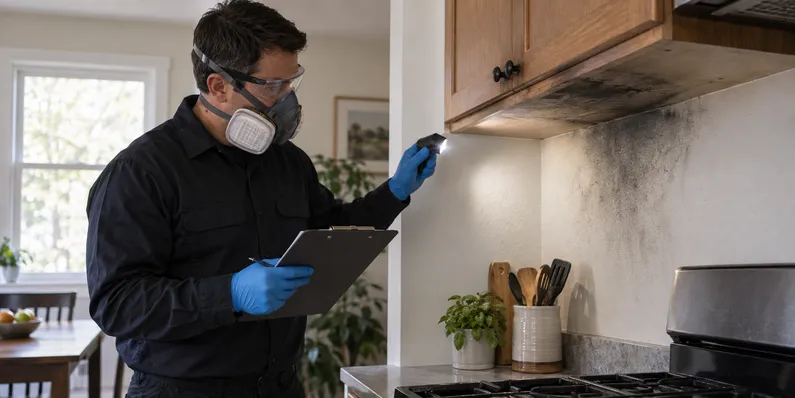
After a small fire, the black or gray film on a wall can look like ordinary dirt. It is tempting to grab a sponge, household spray, or vacuum and start cleaning. That first contact can make the loss harder to restore.
Some very limited cleanup may be reasonable after authorities have declared the property safe, the damage has been documented, and the material can tolerate the method. But soot is not one uniform substance, and a blanket do-it-yourself approach can smear residue, push it into a finish, spread it into clean rooms, or erase useful claim evidence.
The safer first step is to understand what burned, where smoke traveled, which materials are affected, and whether heat, water, electricity, or structural damage adds another hazard. A professional smoke damage restoration assessment is especially important when residue is widespread, oily, inside the HVAC system, or deposited on porous, delicate, or high-value materials.
Make sure entry is safe before thinking about cleaning
A fire scene can remain hazardous after the flames are out. Utilities may be damaged. Ceilings, floors, stairs, windows, and wall assemblies may be unstable. Firefighting water can reach electrical components and leave wet, contaminated materials behind.
The U.S. Fire Administration’s after-fire guidance warns that soot and dirty water can contain substances that may make people sick. The CDC’s disaster-cleanup guidance also says to stay out of damaged structures until the appropriate authority has examined them and to keep children and pets away from cleanup areas.
Before touching affected surfaces:
- Wait for the fire department or responsible authority to release the property.
- Leave immediately if you smell gas, hear shifting, see sagging materials, or encounter another immediate hazard.
- Do not restore electrical or gas service yourself.
- Photograph rooms and affected surfaces before moving or cleaning items.
- Contact the insurer and ask what documentation it needs before disposal or cleanup.
- Limit foot traffic between affected and clean areas.
The guide to the first 24 hours after fire damage covers the safety, claim, and stabilization decisions that come before detailed cleaning.
Why soot should not be treated like ordinary dust
Soot is a visible part of a larger smoke-residue problem. The material that burned, the oxygen available, the heat, the smoke path, and the surface that received the residue all influence how the contamination behaves.
A dry, loose deposit on a smooth surface may respond differently from a greasy kitchen-fire film. Plastic, rubber, wood, protein, oil, and synthetic furnishings can leave different residues. Painted drywall, unfinished wood, metal, glass, fabric, electronics, and insulation do not tolerate the same cleaning method.
Fire damage may also combine several exposures:
- Fine particles and ash on horizontal and vertical surfaces
- Oily or sticky smoke residue on paint and cabinetry
- Odor absorbed into textiles, upholstery, insulation, or unfinished wood
- Heat damage that weakens or discolors a material
- Firefighting water inside walls, flooring, furniture, or electronics
- Residue carried into cabinets, closets, adjacent rooms, or mechanical pathways
This is why the goal is not simply to make a black mark disappear. Cleanup should remove the residue without grinding it into the material, spreading it, damaging the finish, or leaving the odor source behind.
What can go wrong with common DIY methods
Wiping before testing
The American Red Cross advises avoiding contact with soot because it smears easily. A wet rag can turn a loose deposit into a streak. Aggressive rubbing can drive particles into paint, wood grain, fabric, or other porous surfaces.
A restoration technician may begin with close visual inspection and raking light, then test a small area with a method selected for the residue and material. That test helps determine whether the surface can be cleaned, needs another process, or is too damaged to restore.
Using an ordinary vacuum
A standard household vacuum is not the same as a controlled HEPA-removal process. Fine particles may pass through or escape around the filter, exhaust into the room, or contaminate the vacuum and its attachments.
EPA guidance for fire ash says to avoid actions that stir particles into the air and identifies a HEPA-type vacuum for dusty surfaces. A house-fire loss still requires judgment about the residue, equipment, attachment, pressure, containment, and surface. The nozzle should not be dragged across delicate or soot-covered finishes.
Applying a strong cleaner everywhere
One product is unlikely to be appropriate for every surface. A cleaner can discolor paint, dull a finish, swell wood, set a stain, react with residue, or leave its own odor. Never mix cleaning products. Follow product labels and material-manufacturer instructions, and test only after the scene has been documented and declared safe.
Painting over the stain
Fresh paint can hide discoloration without removing residue or odor. The substrate must first be clean, dry, sound, and compatible with the coating system. Otherwise staining may return, adhesion may fail, or odor may remain beneath the finish.
Trying to mask smoke odor
Fragrance does not remove an odor source. Smoke odor can persist in residue, porous materials, wall cavities, insulation, HVAC components, and contents. The separate guide to why smoke odor keeps coming back explains why source removal and material-specific cleaning come before deodorization.
Safe steps a property owner can take first
The safest early actions are usually protective and documentary rather than aggressive cleaning.
- Confirm safe access. Follow fire-department, utility, building-official, and insurer instructions.
- Document the loss. Photograph the source area, smoke patterns, affected rooms, contents, and visible water damage before disturbing them.
- Protect clean areas. Reduce unnecessary movement through the loss area. Do not carry loose-soot items through unaffected rooms without a plan.
- Avoid powering affected equipment. Do not turn on electronics, appliances, or mechanical systems that may have heat, smoke, soot, or water exposure.
- Identify urgent contents. Tell the restoration team about medicines, identification, work items, photographs, documents, and sentimental objects that may need priority handling.
- Ask before discarding. Photograph and inventory damaged items unless an immediate safety direction requires removal.
The FEMA fire-salvage fact sheet notes that soot and ash can be abrasive and that fragile items should be handled carefully. For a larger contents loss, review how a documented pack-out separates cleaning candidates, specialist items, and apparent total losses.
What professional soot assessment looks for
A useful inspection does more than confirm that a room looks smoky. It maps the loss and connects the residue to the building and contents.
The technician may evaluate:
- The fire source and materials that burned
- Visible and hidden smoke travel
- Residue on walls, ceilings, trim, cabinets, fixtures, and contents
- Differences between protected and exposed surfaces
- Porous materials that may retain particles or odor
- Heat, corrosion, staining, and finish damage
- Water used during suppression and the need for drying
- Supply and return registers, filters, and accessible HVAC components
- Rooms that appear clean but share air or movement pathways with the affected area
Raking light can reveal a fine film that is difficult to see under ordinary room lighting. Controlled test cleaning can show whether residue releases safely from a surface. The findings then guide containment, cleaning sequence, contents handling, odor work, repair decisions, and claim documentation.
The usual cleanup sequence
The exact process changes with the loss, but a disciplined sequence helps prevent rework.
1. Stabilize and document
Unsafe openings, utilities, structural conditions, wet materials, and active sources are addressed first. Photos, room notes, and contents records preserve pre-cleaning conditions.
2. Limit spread
Work areas and clean areas are separated as the loss requires. Contents may be protected, moved to a clean zone, or packed out. Equipment and foot traffic should not carry residue into unaffected rooms.
3. Remove loose particulate carefully
Loose soot is addressed before wet cleaning when that is appropriate for the surface. Equipment and technique must keep fine residue from becoming airborne or being rubbed into the material.
4. Test material-specific cleaning
Technicians select and test methods based on the residue and substrate. Painted surfaces, sealed wood, metal, glass, textiles, and electronics require different decisions. A test result may support cleaning, further specialty evaluation, sealing after cleaning, or removal.
5. Address porous and concealed materials
Insulation, unfinished wood, fabric, upholstery, carpet, wall cavities, and layered assemblies can retain residue or odor beyond the visible face. Cleaning access, heat damage, water, cost, and safe reuse all affect the decision.
6. Evaluate HVAC pathways when evidence supports it
Duct cleaning is not an automatic step after every fire. EPA says duct cleaning should be considered when inspection finds excessive dust or debris or particles releasing from supply registers. Filters, accessible components, and the system’s operating status during the fire also matter.
7. Verify before repairs and occupancy
The team checks cleaned surfaces, remaining odor sources, dry conditions, contents status, and repair needs. Repainting or reconstruction should follow successful residue removal and preparation rather than cover unresolved contamination.
When to call a smoke damage professional
Professional help is the better next call when:
- Soot is widespread, heavy, sticky, or oily.
- Multiple rooms, cabinets, closets, or contents are affected.
- Residue appears near supply or return registers.
- Porous, delicate, sentimental, or high-value items are involved.
- Electronics or appliances had smoke, heat, or water exposure.
- Firefighting water reached walls, floors, ceilings, or insulation.
- The building has structural, electrical, utility, or access hazards.
- Odor remains after ventilation and surface cleaning.
- The insurer needs a scope, inventory, photos, readings, or cleaning records.
First Response Restoration provides smoke damage restoration in Boston and throughout Massachusetts and Rhode Island. The team can assess smoke travel, document the loss, protect unaffected areas, coordinate contents needs, perform material-specific cleaning, address odor sources, and work with the insurance adjuster.
For fire, soot, or smoke damage, call (774) 670-5912 for 24/7 emergency dispatch. The goal is to avoid turning a cleanable surface into a permanent stain and to return the property to a safe condition with a clear, documented plan.
Frequently asked questions
Do not start by wiping an unknown soot residue. Contact can smear particles, drive oily residue into paint, or damage the finish. Photograph the area first and confirm the property is safe. A professional can identify the affected surface and test a cleaning method in a small, controlled area.
An ordinary vacuum may recirculate fine particles or transfer residue through the machine. EPA guidance for fire ash points to HEPA-type filtration when vacuuming dusty surfaces. In a house-fire loss, equipment, attachments, technique, and containment should match the residue and material, so assessment should come before vacuuming.
Do not run a system that may move residue into clean rooms until its condition and the fire scene are evaluated. Duct cleaning is not automatic after every fire. EPA recommends cleaning ducts when inspection shows excessive debris or particles releasing from registers. Filters and accessible components may also need evaluation.
Call a professional when residue is widespread, oily, heavy, inside cabinets or contents, connected to HVAC pathways, or present on porous, delicate, electrical, or heat-damaged materials. Also seek help when the structure is unsafe, firefighting water is involved, odor persists, or documentation is needed for an insurance claim.
Paint should not be the first response to soot. Residue and odor sources need to be removed or otherwise addressed, and the surface must be dry, sound, and compatible with the selected coating system. Painting too early can trap odor, interfere with adhesion, or allow staining to return through the finish.


