
Fire Damage Remediation in Fall River, MA
24/7 emergency fire damage support from First Response Restoration.
What Does Fire Damage Remediation in Fall River, MA Include?
First Response Restoration provides fire damage remediation for homes and businesses in Fall River, MA. Our team assesses the affected area, controls immediate damage, completes the cleanup and drying or remediation steps the conditions require, and documents the work for the property owner and insurance carrier.
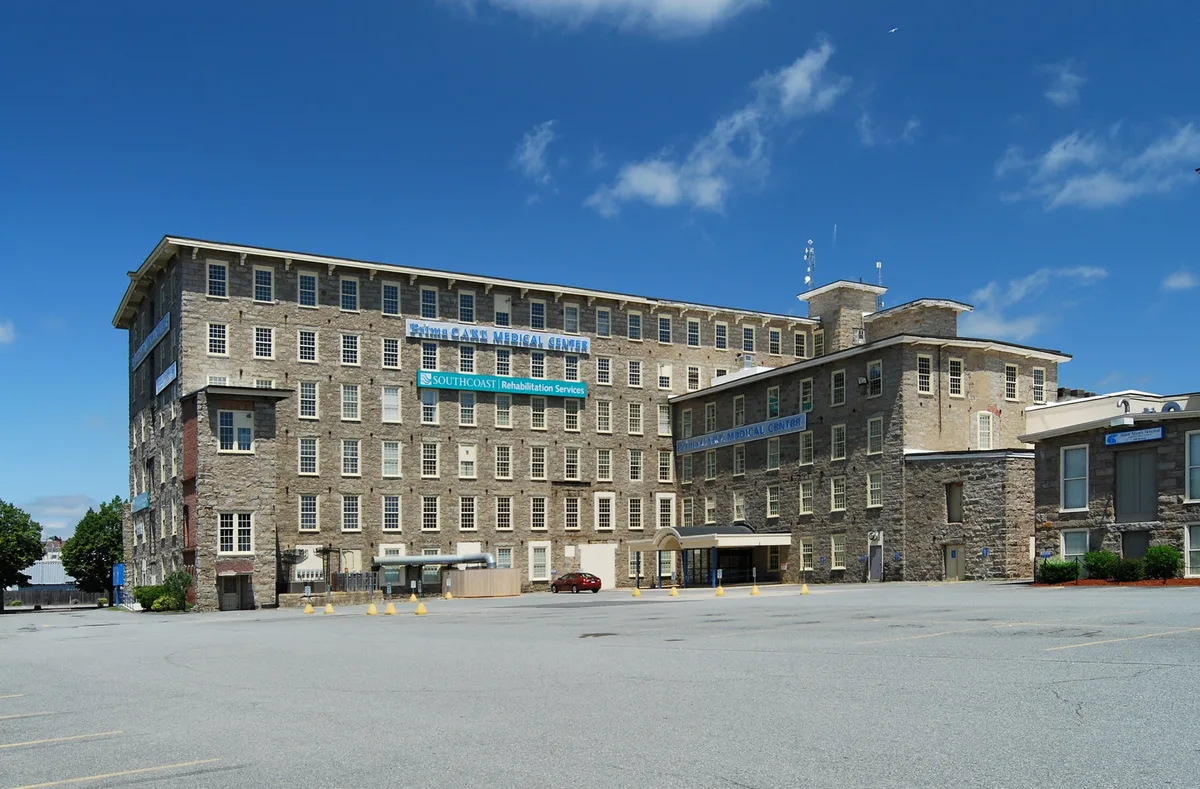
Fire Damage Remediation for properties in Fall River, MA
Fall River's former mill buildings and mixed residential and commercial properties call for a building-specific approach after a fire. Damage can extend beyond the burned room through smoke, water, and shared openings. First Response Restoration helps Fall River property owners organize emergency protection, fire cleanup, contents decisions, and documentation once the building is released for safe access.
Read our full fire damage service guide for methods, equipment, and related cleanup services.
Learn about First Response Restoration's emergency restoration services, our team, and support for property owners across Massachusetts and Rhode Island.
Wait for safe entry, then stabilize the property
Contact emergency services for an active fire and follow instructions about re-entry. A fire being extinguished does not mean the structure, wiring, stairs, or ceilings are safe. Tell our dispatcher which authority has released the property, whether utilities are isolated, and who can authorize access. We work within those restrictions when planning the initial assessment.
Broken windows and damaged doors can leave rooms exposed to weather and unauthorized entry. Emergency board ups may be needed before wider cleanup begins. We document visible conditions, identify areas that must remain off limits, and discuss priorities with the owner. Any structural or electrical concerns requiring a specialist remain part of the recovery plan.
Treat soot, smoke, and water as connected damage
Suppression water can soak materials that were not directly burned. Smoke residue may affect adjacent rooms and contents through openings or air movement. We assess these pathways instead of assuming the visible fire perimeter defines the cleanup area. Recoverable surfaces are evaluated for an appropriate cleaning method, while unsalvageable materials are identified for controlled removal.
Avoid scrubbing soot or using household fragrance products before the assessment. The wrong cleaning approach can spread residue or make staining harder to address. Our team works on source removal, surface cleaning, moisture control, and odor treatment as conditions require. Persistent smell warrants checking remaining residue and porous materials rather than simply adding another deodorizer.
Keep contents and insurance decisions organized
Separate decisions about the building from decisions about belongings and business inventory. Some contents may be cleaned on site; substantial losses may need packing, listing, and relocation. Tell us about documents, equipment, or items with particular importance before removal decisions are made. Photographs and an organized inventory help the owner follow what is being retained, cleaned, or discarded.
First Response Restoration provides documentation and direct insurance billing support, while the insurer decides policy coverage. We explain the cleanup scope and the next steps toward repairs. In a multi-occupant property, designate a contact for access and updates so restrictions are understood. Call (774) 670-5912 for 24/7 dispatch to Fall River from our Bridgewater-based team.
Prepare for the first post-fire assessment
- Confirm whether emergency responders have released the building.
- Identify broken openings and areas where suppression water collected.
- List contents needing attention without entering a restricted room.
Restoration questions in Fall River
Yes. Fire restoration may include extraction and structural drying where suppression water has affected floors, walls, or contents. We assess safe access and material conditions first. Moisture readings and monitoring help establish the drying scope, while soot contamination and structural damage can change which materials are suitable for restoration.
No. The amount and type of residue, the material, heat exposure, and cleaning response influence whether an item can be restored. We assess affected surfaces and contents before making recommendations. Some porous or severely damaged items may require removal, but smoke odor alone is not a complete inventory decision.
How Does Fire Damage Restoration and Remediation Work in Fall River, MA?
Fire restoration begins after official safety clearance and moves from stabilization and documentation through water, soot, debris, odor, contents, and rebuild preparation.
-
Confirm clearance and stabilize the property
After authorities allow access, technicians document immediate hazards and secure damaged windows, doors, roofing, or other exposed openings when needed.
-
Document damage and remove suppression water
The team records affected rooms and contents, extracts firefighting water, and begins drying wet structural materials.
-
Address debris, soot, smoke, and contents
Unsafe materials are removed as authorized, salvageable surfaces and contents are evaluated for cleaning, and smoke migration and odor sources are assessed.
-
Prepare the property for recovery
The completed mitigation scope, photos, material decisions, and remaining repair needs are organized for the owner, insurer, and rebuilding team.
Explore Restoration Support Connected to Fall River, MA
Property damage can involve water, mold, smoke, sewage, fire, or emergency board up needs at the same time. Use these links to compare related services in Fall River, MA or nearby service areas.
More Services in Fall River, MA
Specialized Fire Damage Solutions
Fire damage cleanup goes well beyond removing burned material. Soot coats surfaces beyond the visible burn area, water from suppression saturates structural materials, and unsafe debris creates hazards that must be addressed before restoration work begins. First Response Restoration removes burned and unsalvageable materials, cleans soot and char residue from surfaces that can be restored, extracts water from firefighting efforts, addresses odor sources, and documents all conditions for insurance. We prepare the property for the rebuild phase with a clear scope and photographic record.
Fires can damage windows, exterior doors, garage doors, and roof sections, leaving the structure exposed to weather, pests, vandalism, or unauthorized entry. Once emergency authorities permit stabilization work, First Response Restoration can install temporary board ups over damaged openings. This helps limit additional exposure while insurance inspection and cleanup planning begin.
Soot residue can stain, corrode, or discolor finishes, metals, electronics, fabrics, and contents after a fire. First Response Restoration evaluates the residue and affected material before selecting dry cleaning, wet cleaning, HEPA vacuuming, chemical sponges, or removal. Prompt assessment helps identify what may be safely cleaned and what is too damaged or contaminated to restore.
Smoke and soot damage affects furniture, clothing, documents, electronics, artwork, and personal belongings far beyond the fire's origin room. When contents need to be documented, packed, removed from the property, cleaned off-site, or stored during the restoration, First Response Restoration helps coordinate those steps. We inventory salvageable items, help separate restorable from non-restorable contents, and support the documentation process so contents losses are properly reflected in the insurance claim.
Request a free restoration estimate
For an active emergency, call (774) 670-5912 to reach our 24/7 dispatchers. For other inquiries, tell us where the property is and what happened so our team can follow up.